What Do Wedding Planners Do? The Calm Difference (From a Tennessee Wedding Photographer)
If you’re planning your wedding and quietly wondering what wedding planners actually do, you’re not alone. Most couples know planners “help.” What’s less clear is what that help looks like in real time; especially if you’re building a vendor team, investing in a venue you love, and you want the day to feel steady, not stressful. As a Tennessee wedding photographer, I’ve photographed weddings with planners and without them. The difference isn’t flashy. Guests don’t always notice it.
But you will. Because it changes how the day feels.
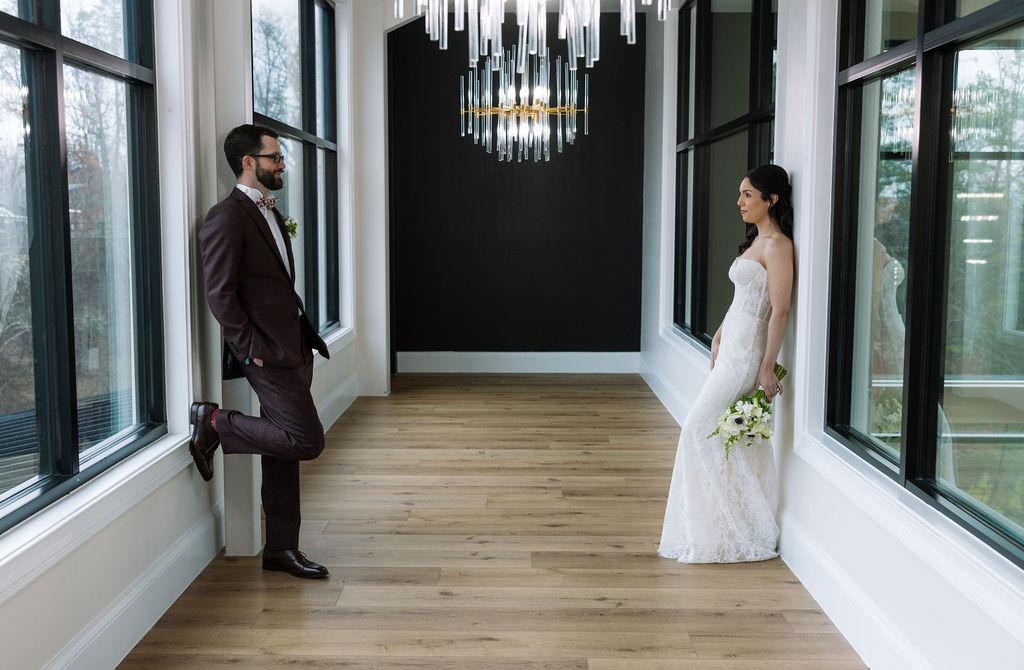

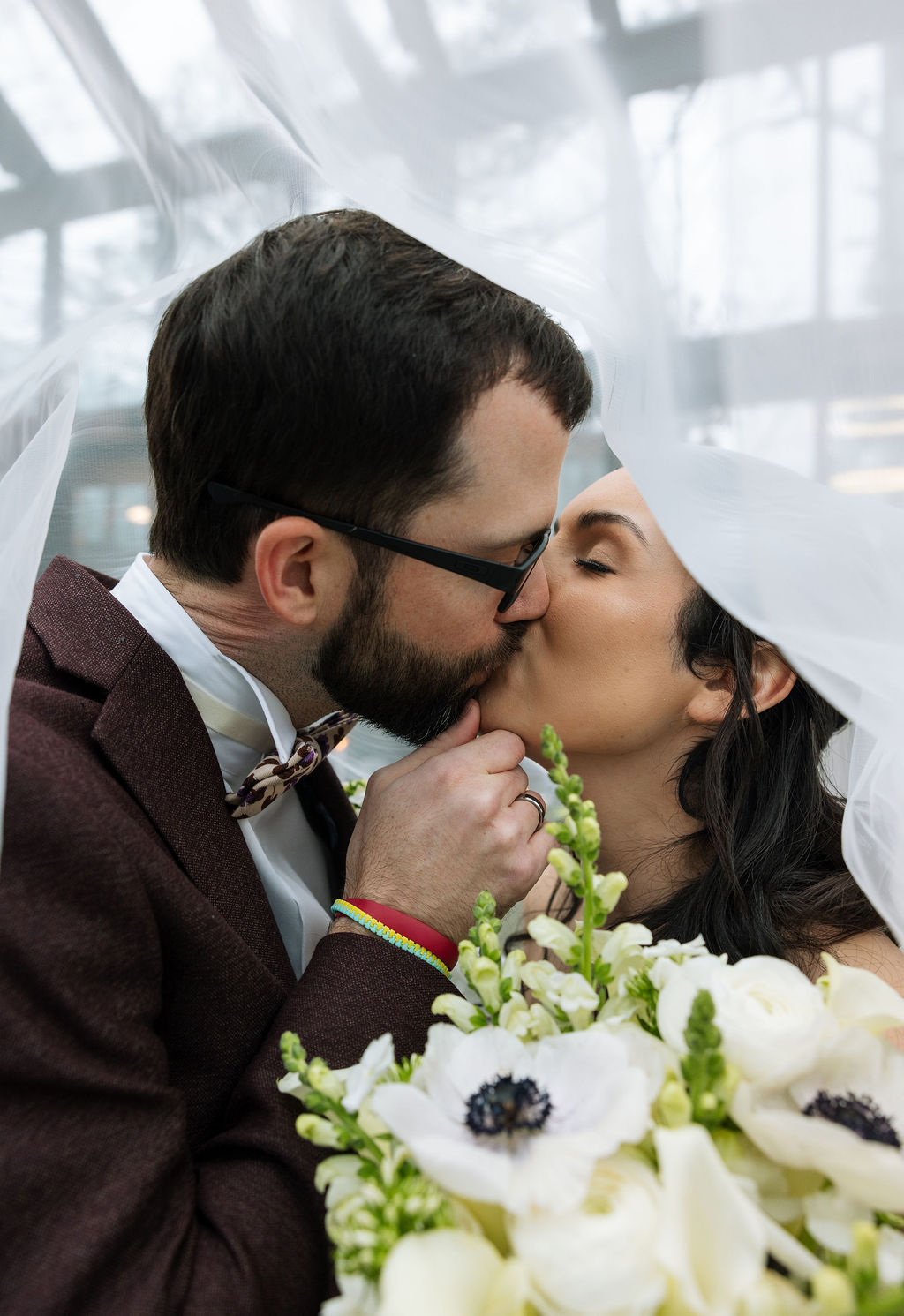
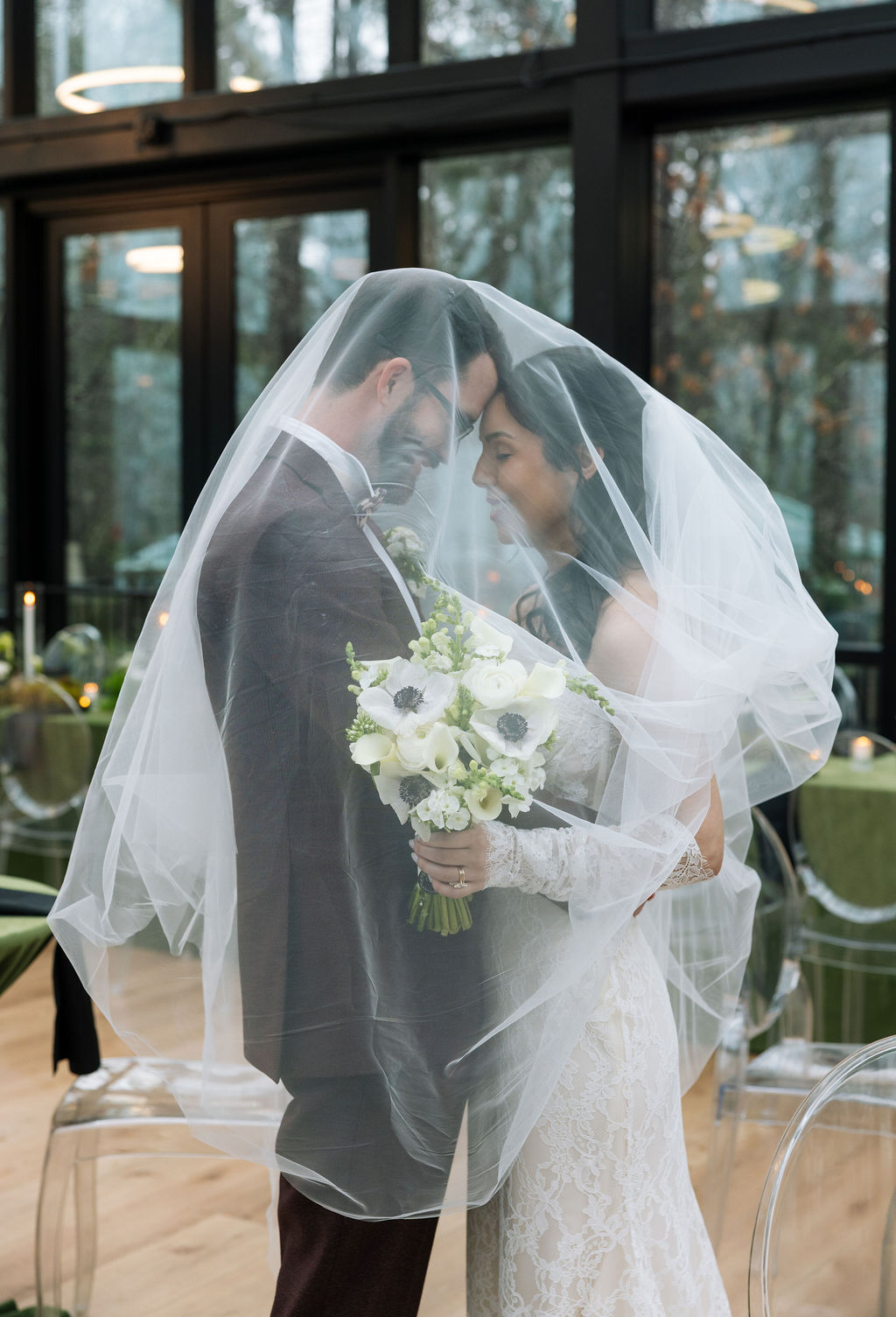
Recently, I photographed a wedding at Nichols Heir where it rained all day; morning through reception. The ceremony moved under a tent. There was no golden hour. Portrait plans shifted more than once. And still… the day felt steady. The couple wasn’t checking weather apps. They weren’t answering vendor questions in between emotional moments. They weren’t having to make five decisions before noon. Someone else was holding that; quietly, confidently, the whole time.
That’s what wedding planners do. They don’t just organize a timeline. They protect the experience of the day.
What You’ll Learn
In this post, I’ll cover:
- What wedding planners do on the wedding day (in real life, not a vague list)
- How planners protect the timeline, transitions, and your headspace
- What changes when it rains (Tennessee reality)
- How planners and photographers work together for a smoother experience
What Do Wedding Planners Do? The Real Shift Couples Feel

Most couples don’t mind planning their wedding. They’ll research vendors, compare options, and think carefully about the details. They care about how it looks. They care about how it feels. What they don’t want, even if they haven’t said it out loud, is to manage people on the wedding day.
For couples planning a venue wedding with a vendor team (planner, florist, coordinator, DJ, catering), a planner becomes the hinge point that keeps everything moving without you ever feeling the gears. Luxury isn’t more stuff. It’s more ease.
Without a coordinator or planner, someone still has to answer the questions. Where should the florist unload? Is the DJ set up? Are we moving the ceremony inside? Who’s gathering the family for photos? If there isn’t a clear point person, those questions drift toward the couple. Or toward a parent. Or toward a friend who suddenly becomes responsible.
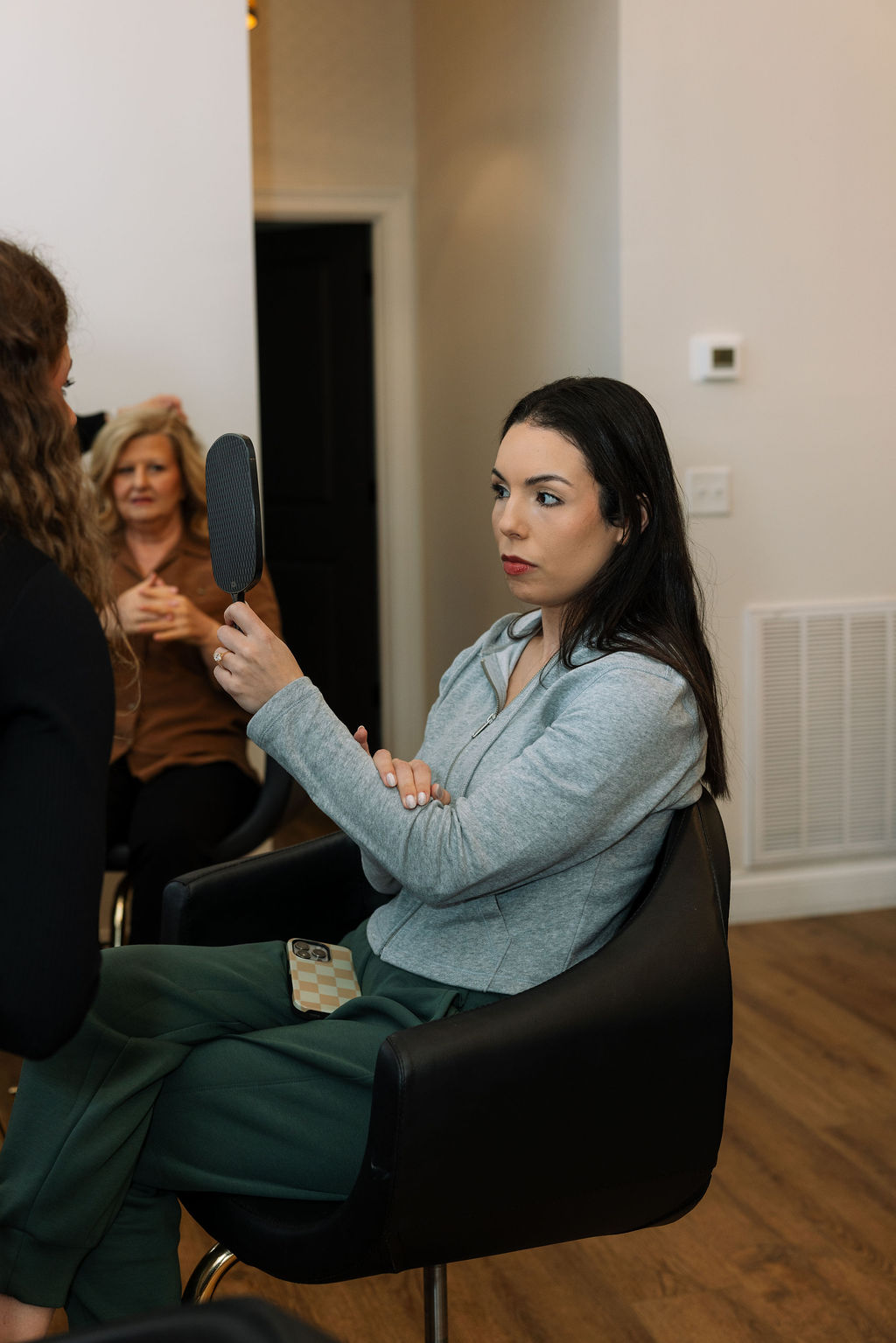

That’s the shift a planner creates.
You stop being the project manager. You become the person getting married. You’re not checking the radar or watching the clock. You’re not coordinating vendors behind the scenes, and you get to be present. As a Tennessee wedding photographer, I see this immediately. Couples with a planner move differently. Their shoulders are lower. Their conversations linger. They aren’t scanning the space for what might be going wrong. They trust that someone else is holding the details.
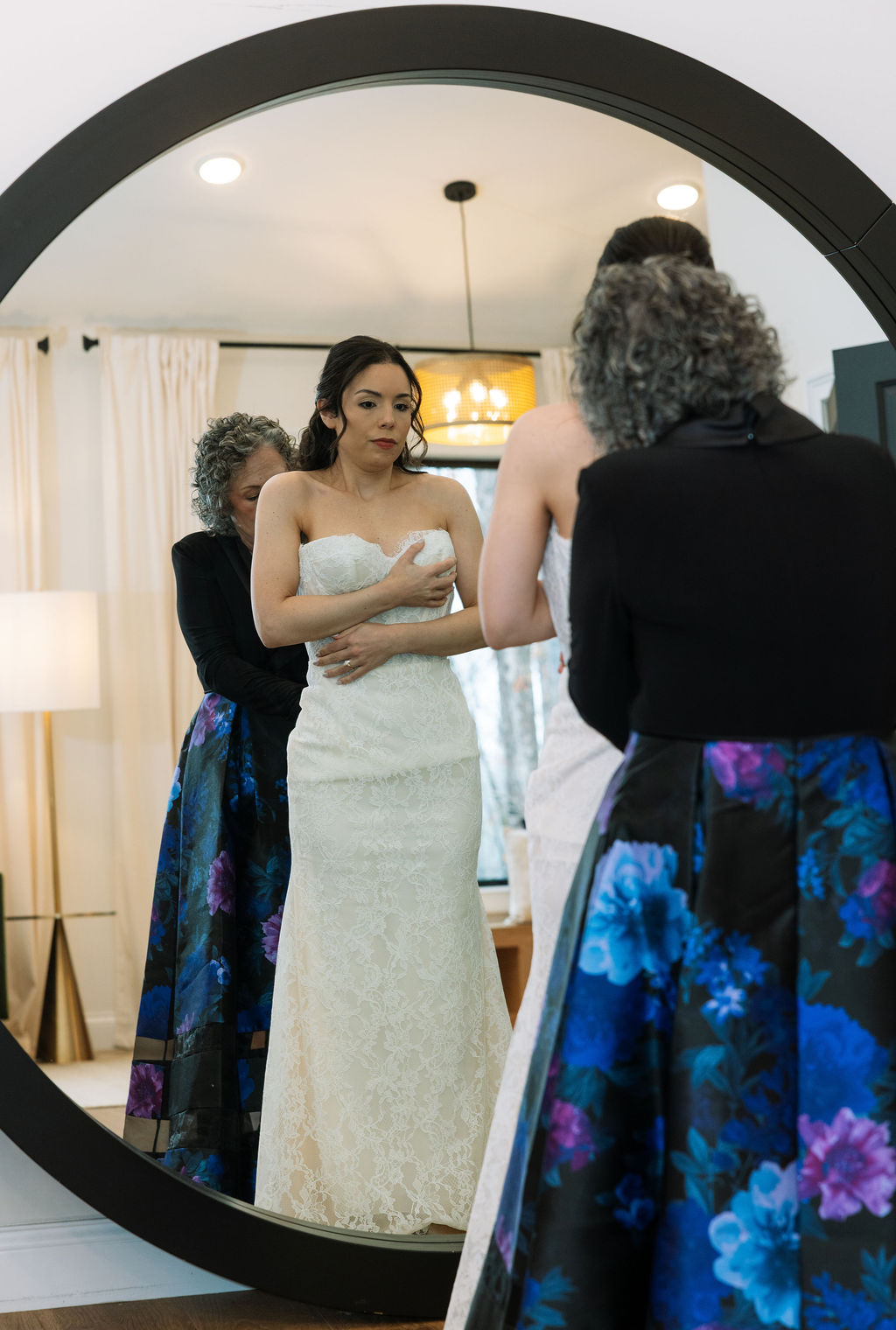
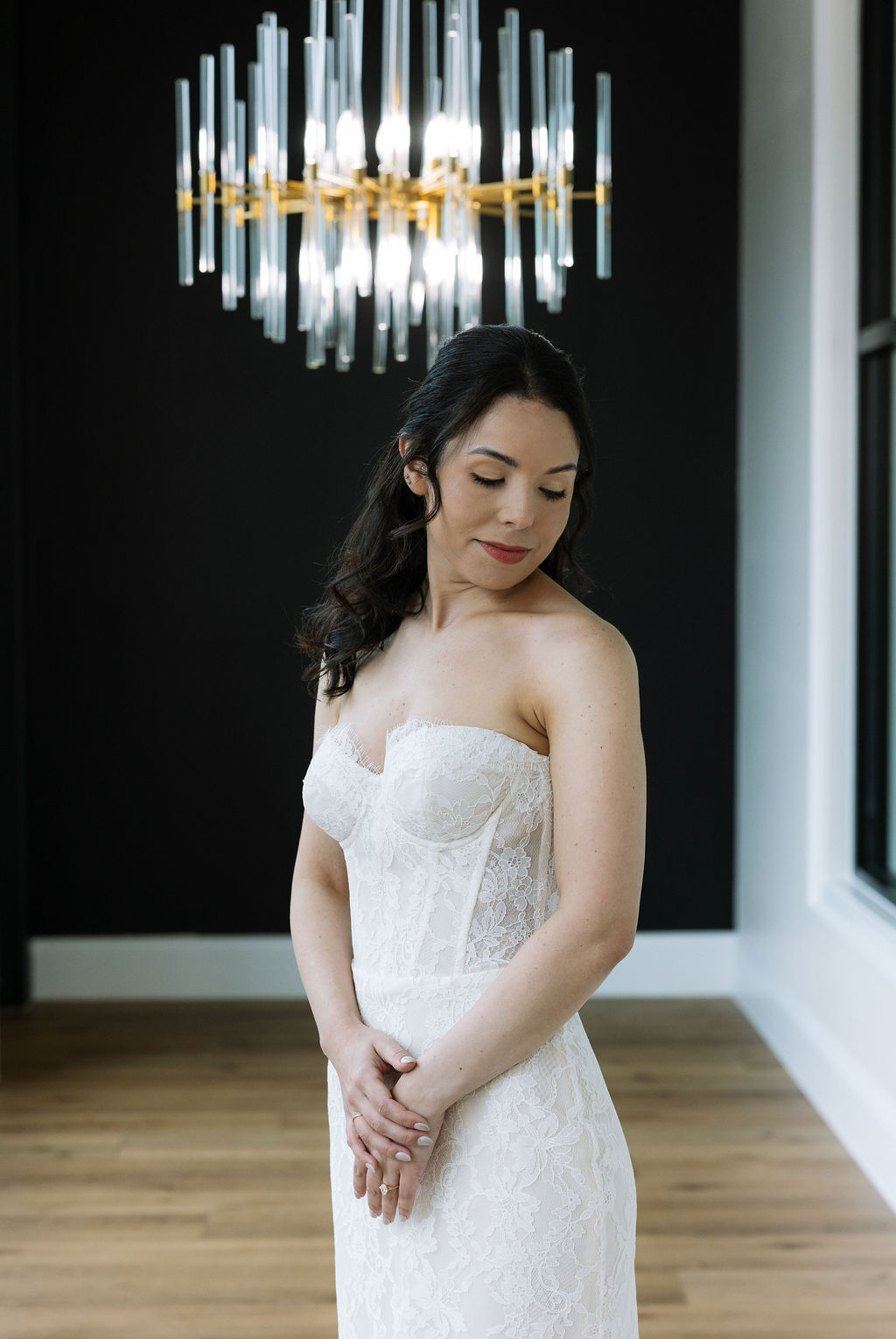
And that trust changes the entire atmosphere of the day.
What Do Wedding Planners Do on the Wedding Day?
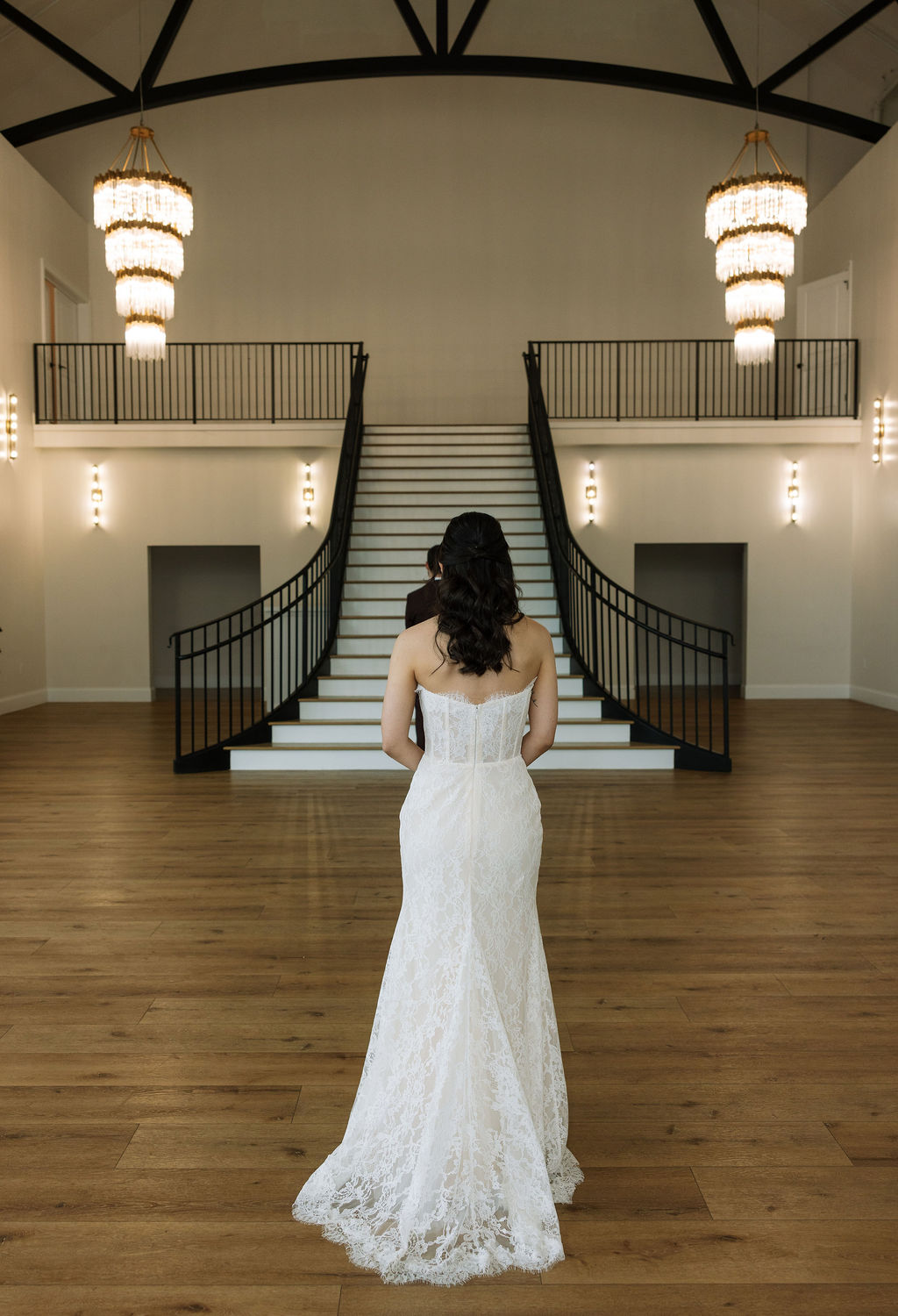
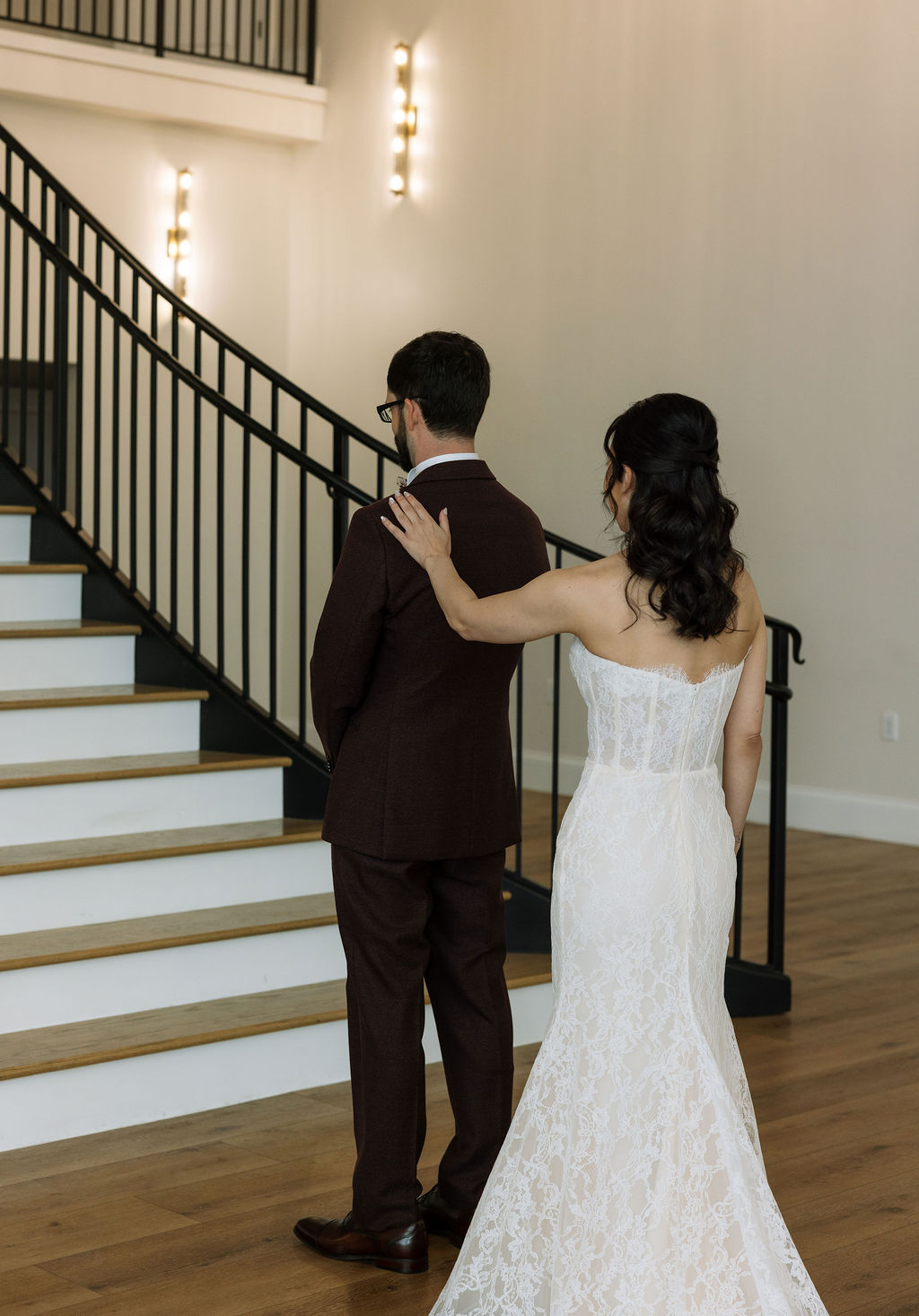
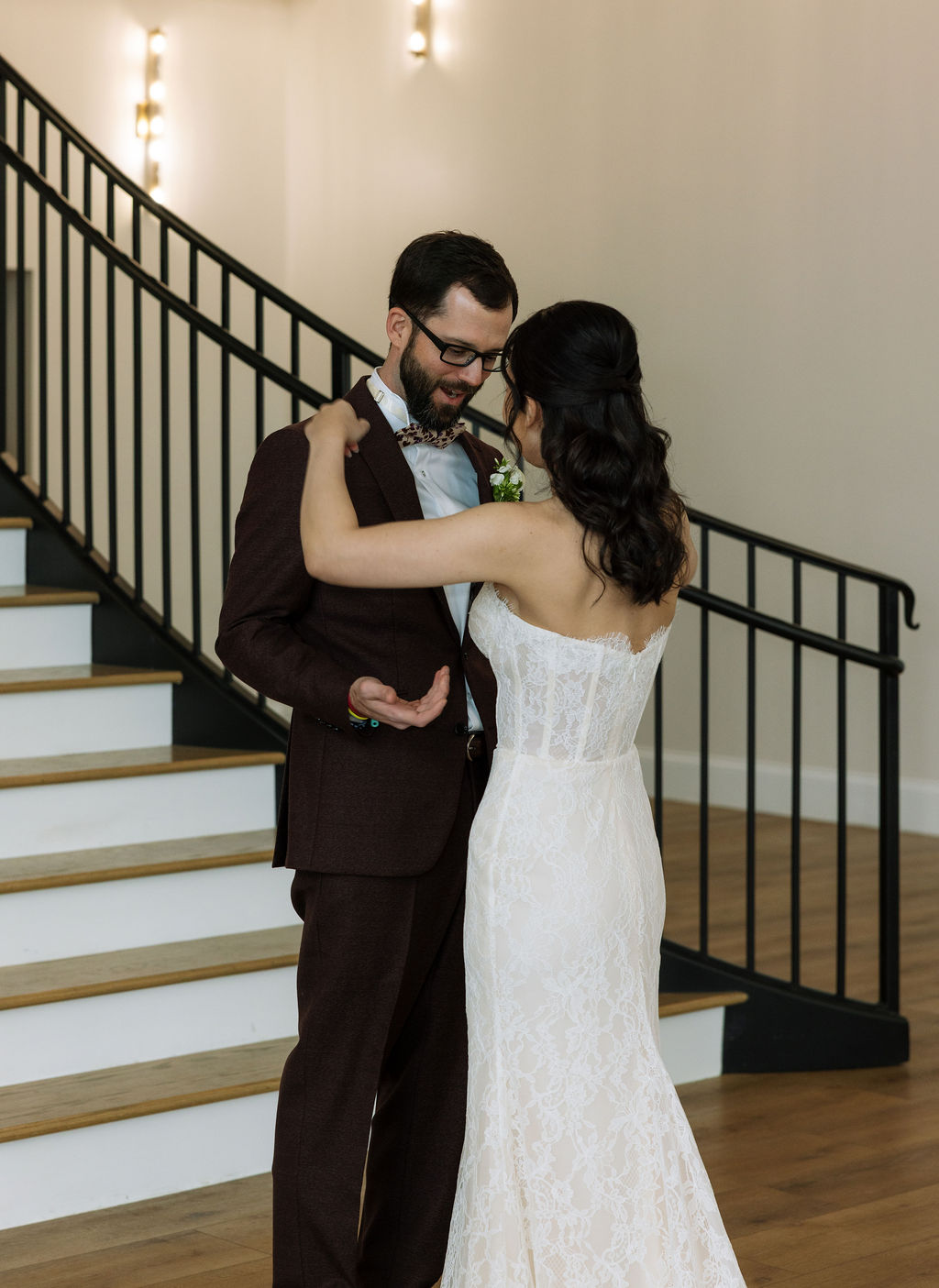
If you’re asking what wedding planners do, most websites will give you a long list. And yes, they build timelines. They confirm vendors, and they run the ceremony. But that’s not the part I notice most.
As a Tennessee wedding photographer, what I actually see is this: a planner changes who carries the weight of the day. Without one, the weight floats. It lands on whoever feels responsible. A mom. A maid of honor. Sometimes the couple themselves. Questions start circulating. Decisions get made in small pockets. No one is doing anything wrong, but no one is fully holding it either.
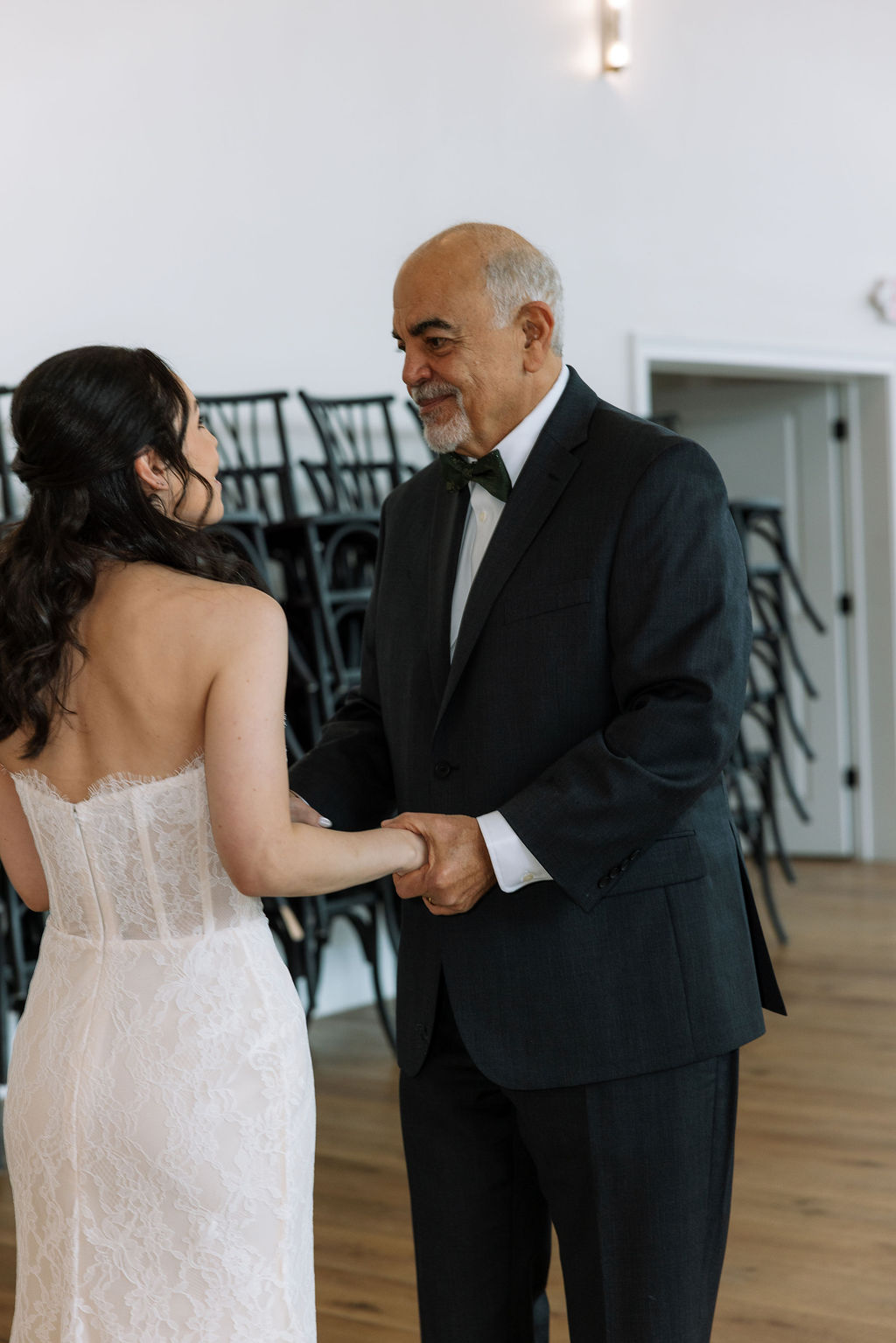
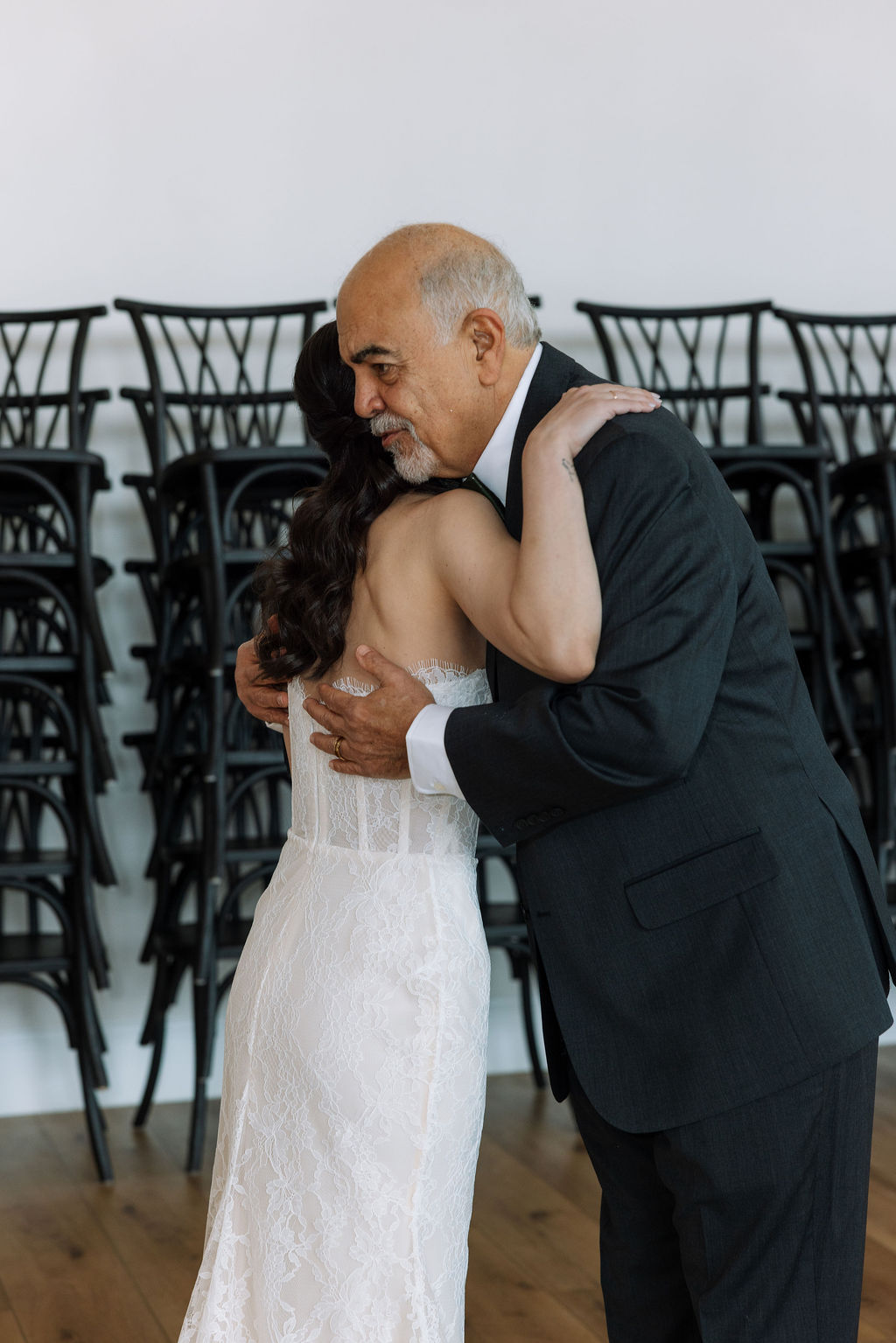
With a planner, the weight has somewhere to go.
On the wedding day, planners are quietly:
- Watching the timeline so you never have to ask, “Are we behind?”
- Making the weather call early, before it becomes an emotional spiral
- Gathering family for photos before I even finish my sentence
- Communicating vendor pivots without making it feel like “a thing.”
- Protecting transition moments (ceremony to cocktail hour, entrances, first dances)
- Catching the tiny stuff (boutonnières, missing bouquets, a groomsman wandering off)
- Keeping you where you belong: in the day, not managing it
It’s not about control. It’s about calm. And calm photographs beautifully.
They’re not loud about it. In fact, the best planners almost disappear into the rhythm of the day. What changes isn’t just logistics. It’s the atmosphere.
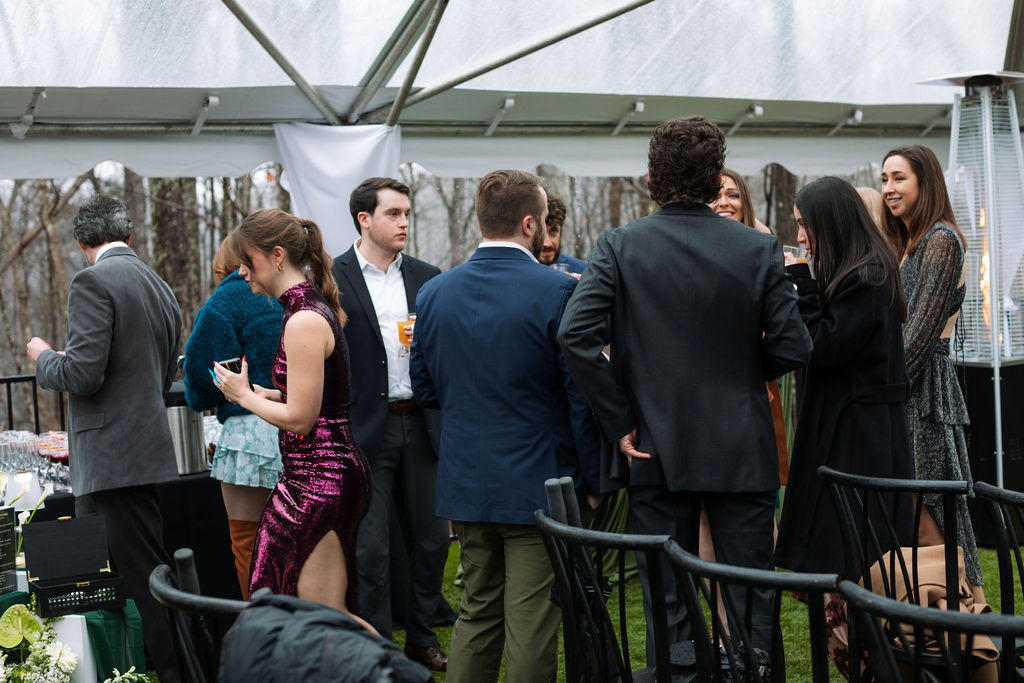


Transitions feel smoother. Vendors aren’t looking at each other, wondering who’s in charge. When hair and makeup run a few minutes behind, because it always does, the adjustment is calm instead of urgent. When a boutonnière falls off, or a groomsman wanders away before photos, someone is already handling it.
And the couple stays where they should be, inside the day. That’s the difference I see over and over again. The presence of a planner doesn’t make a wedding more elaborate. It makes it steadier.
And steadiness is what protects joy.
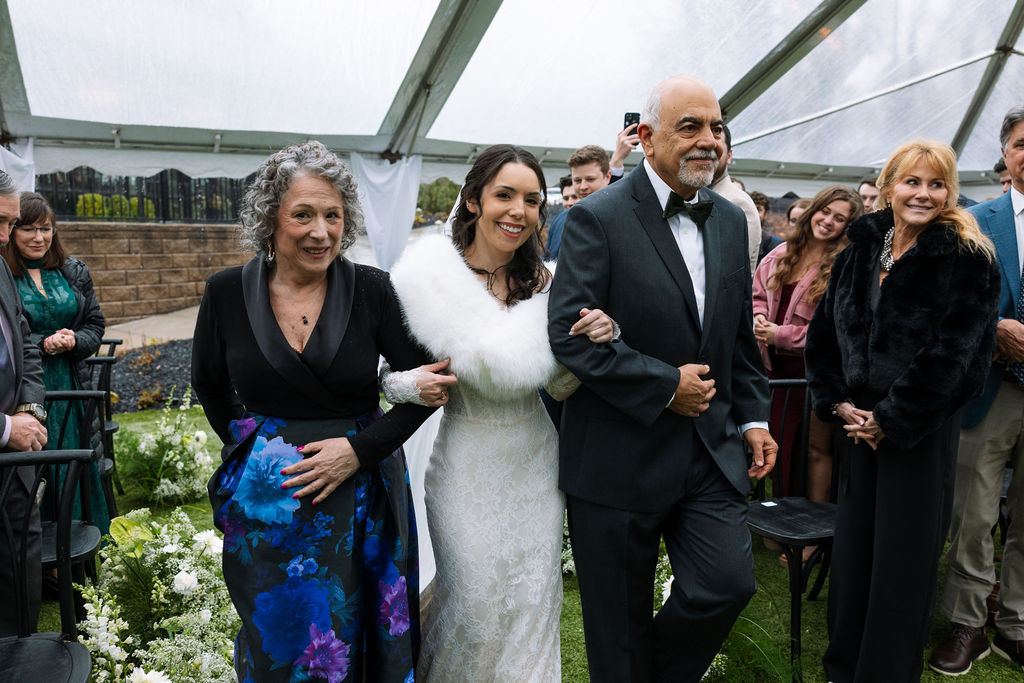
What Do Wedding Planners Do When It Rains All Day?
It’s one thing to talk about timelines and communication. It’s another thing when it’s raining steadily and consistently from the moment you wake up.
At this Nichols Heir wedding, there wasn’t a window of hope in the forecast. No “maybe it’ll clear by the ceremony.” It rained all day. The kind of rain that makes you glance outside and immediately know the original plan isn’t happening. This is where the answer to what wedding planners do becomes very clear. They decide. In a well-run wedding, decisions aren’t crowdsourced. They’re held by someone qualified.
Not emotionally. Not reactively. Calmly.
When the Backup Plan Is Already Built
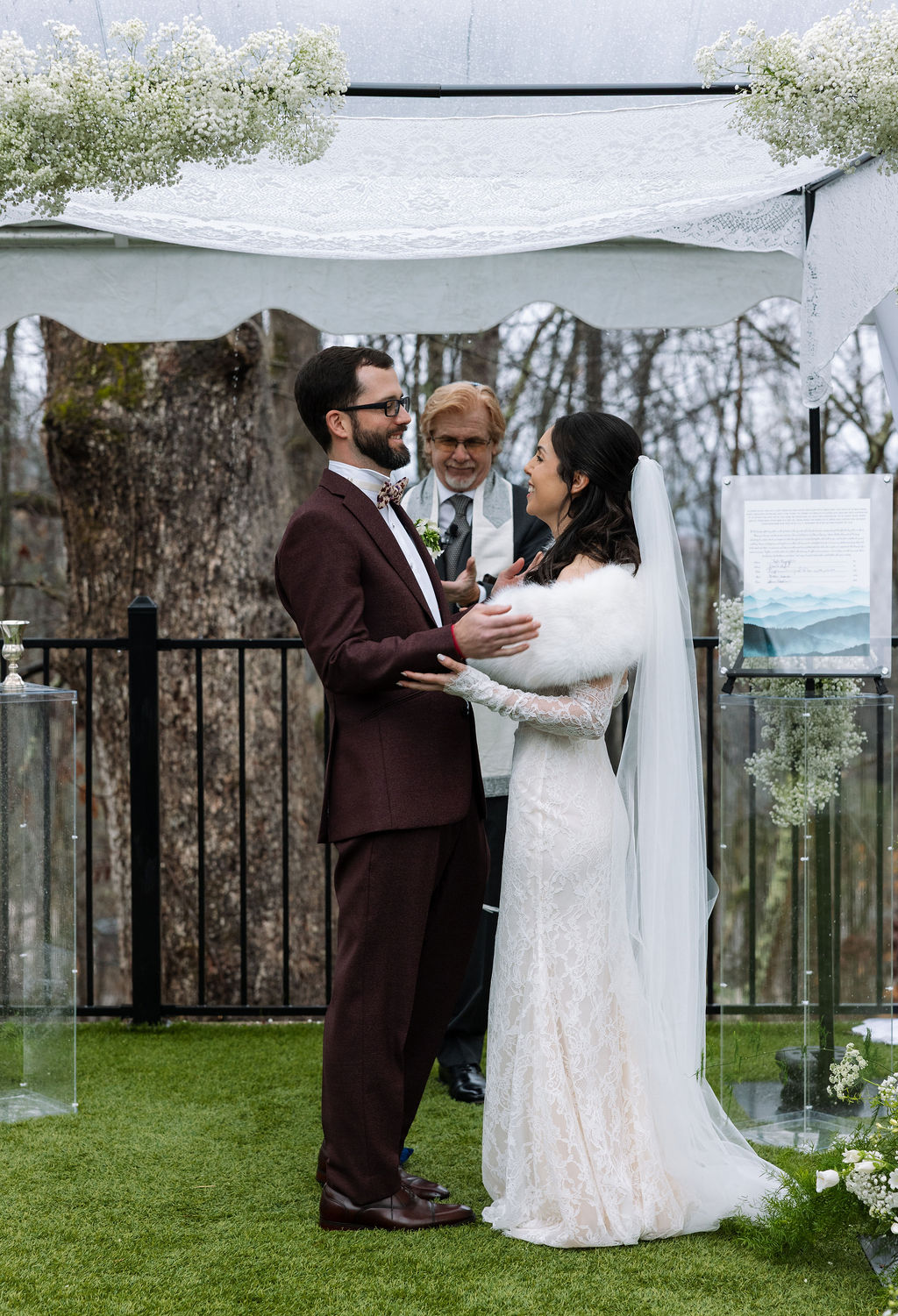

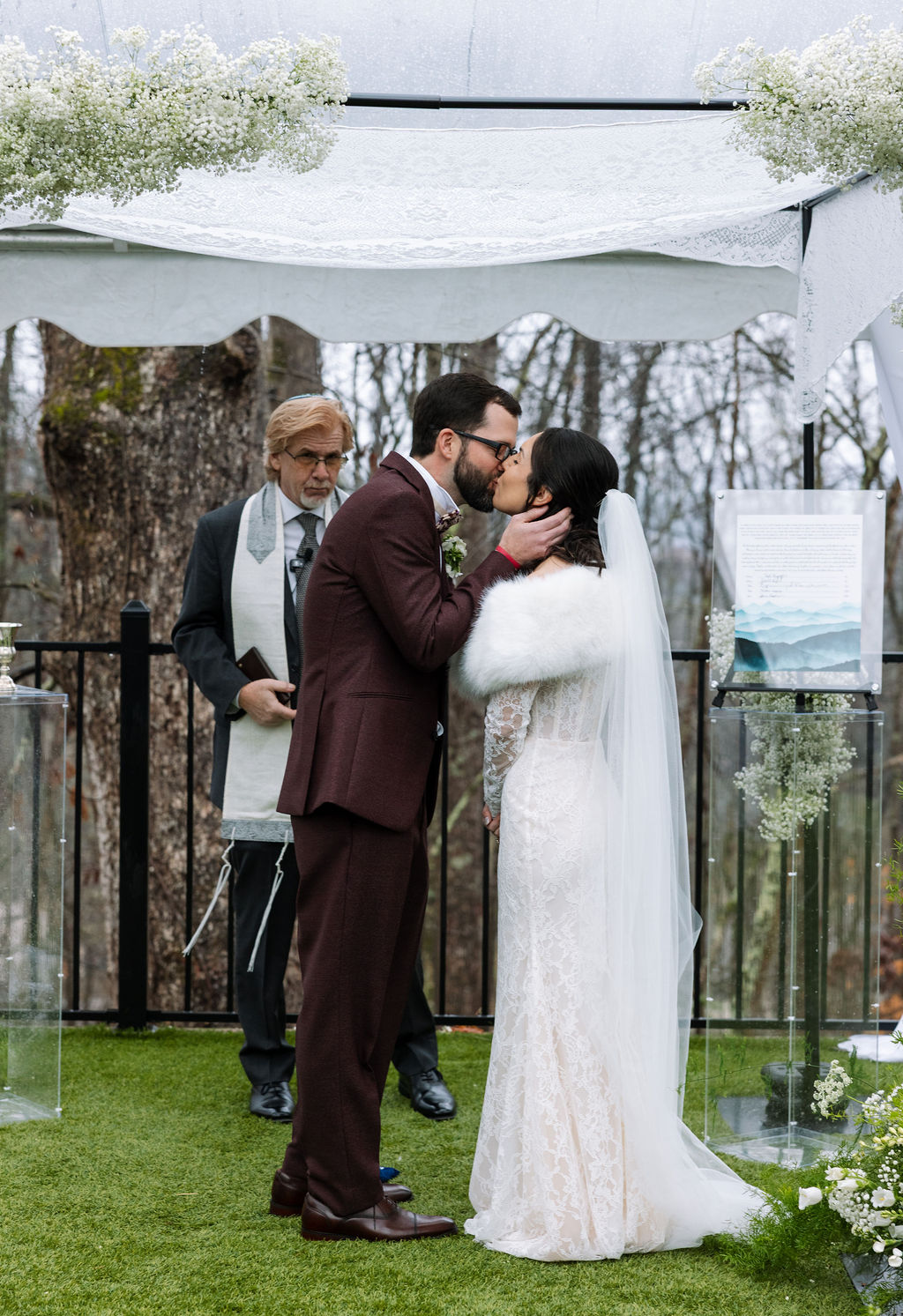
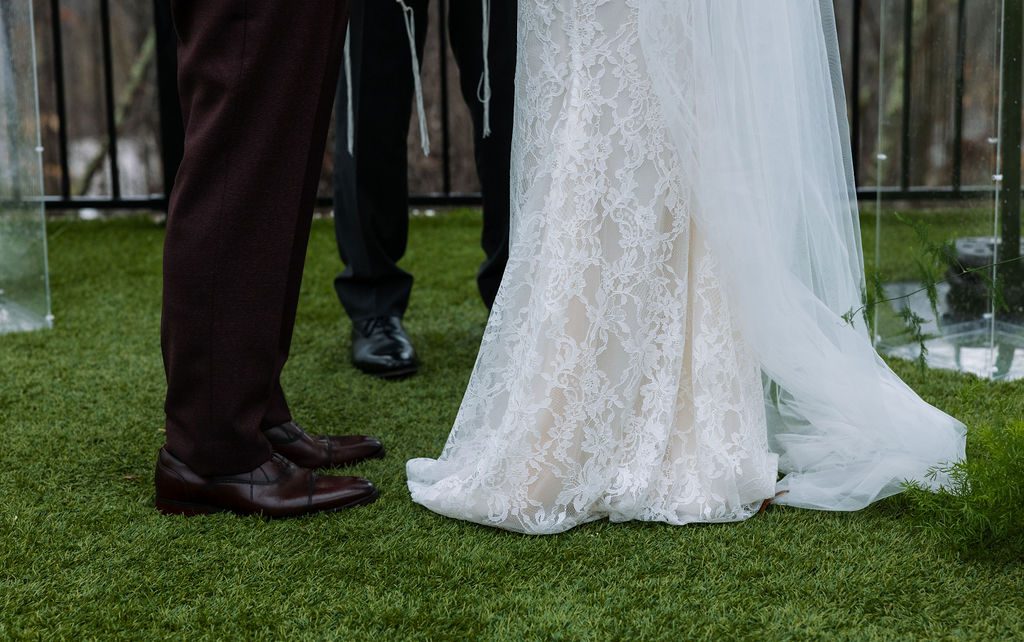
The ceremony was originally planned outdoors. Instead of waiting until the last minute and building anxiety, the coordinator made the call to move it under the tent. Vendors were informed. Chairs were adjusted. Guests were guided. The couple didn’t have to negotiate opinions from five different directions. They got to stay in the getting-ready suite and focus on each other.
There was no golden hour that evening. No dramatic sunset portraits in the Smoky Mountains. And still, nothing felt lacking. Because the planner had already thought through indoor options.
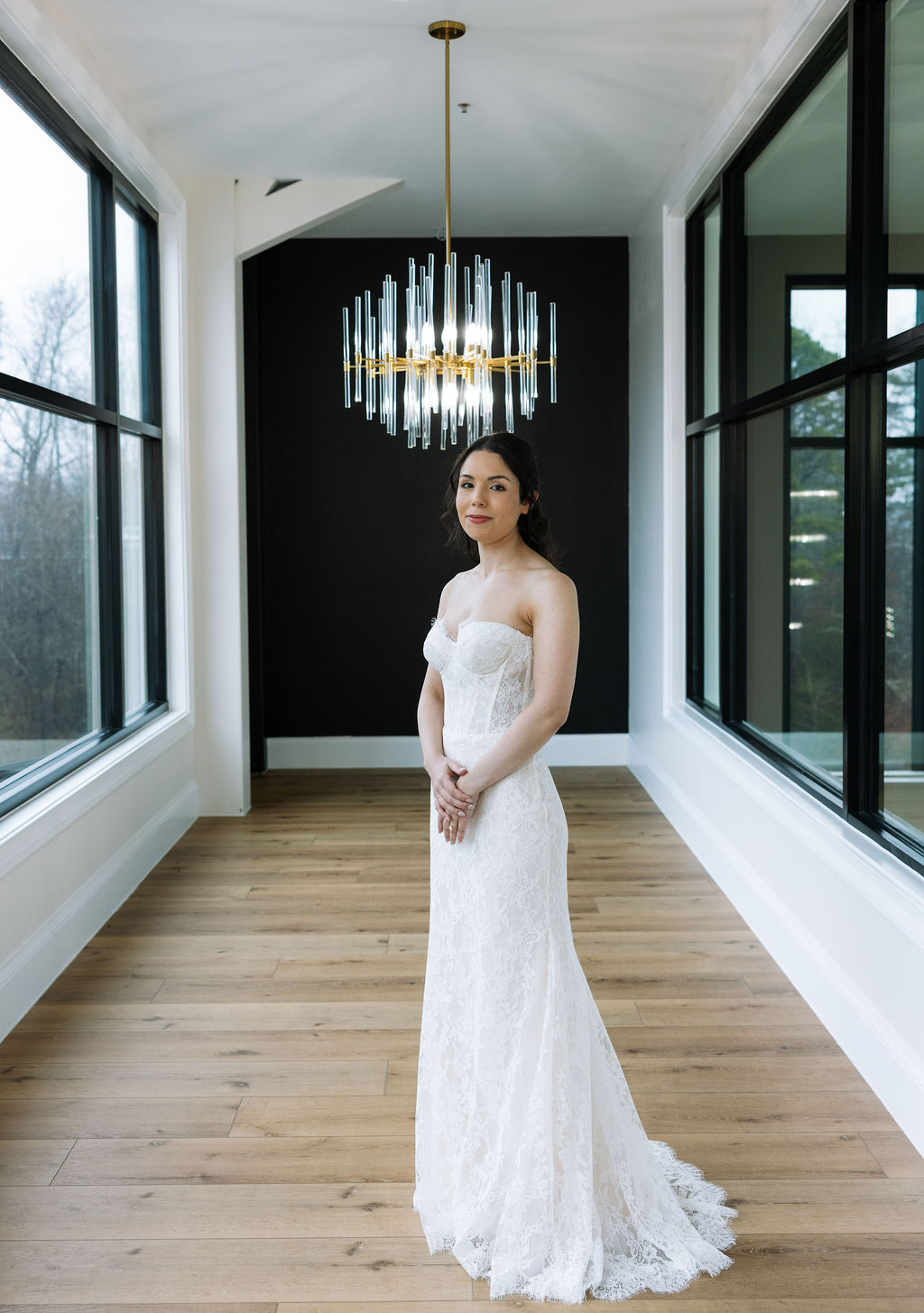
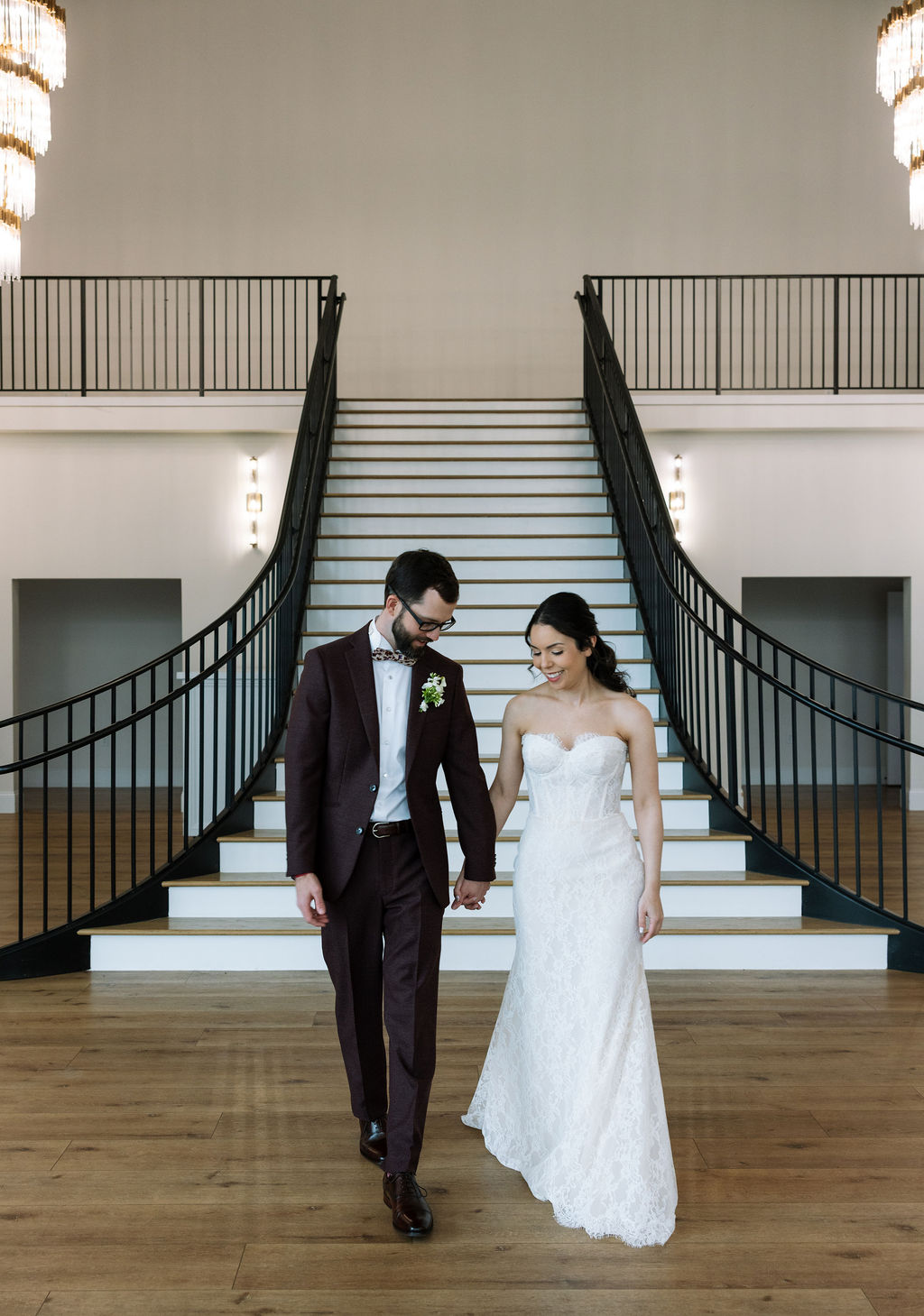
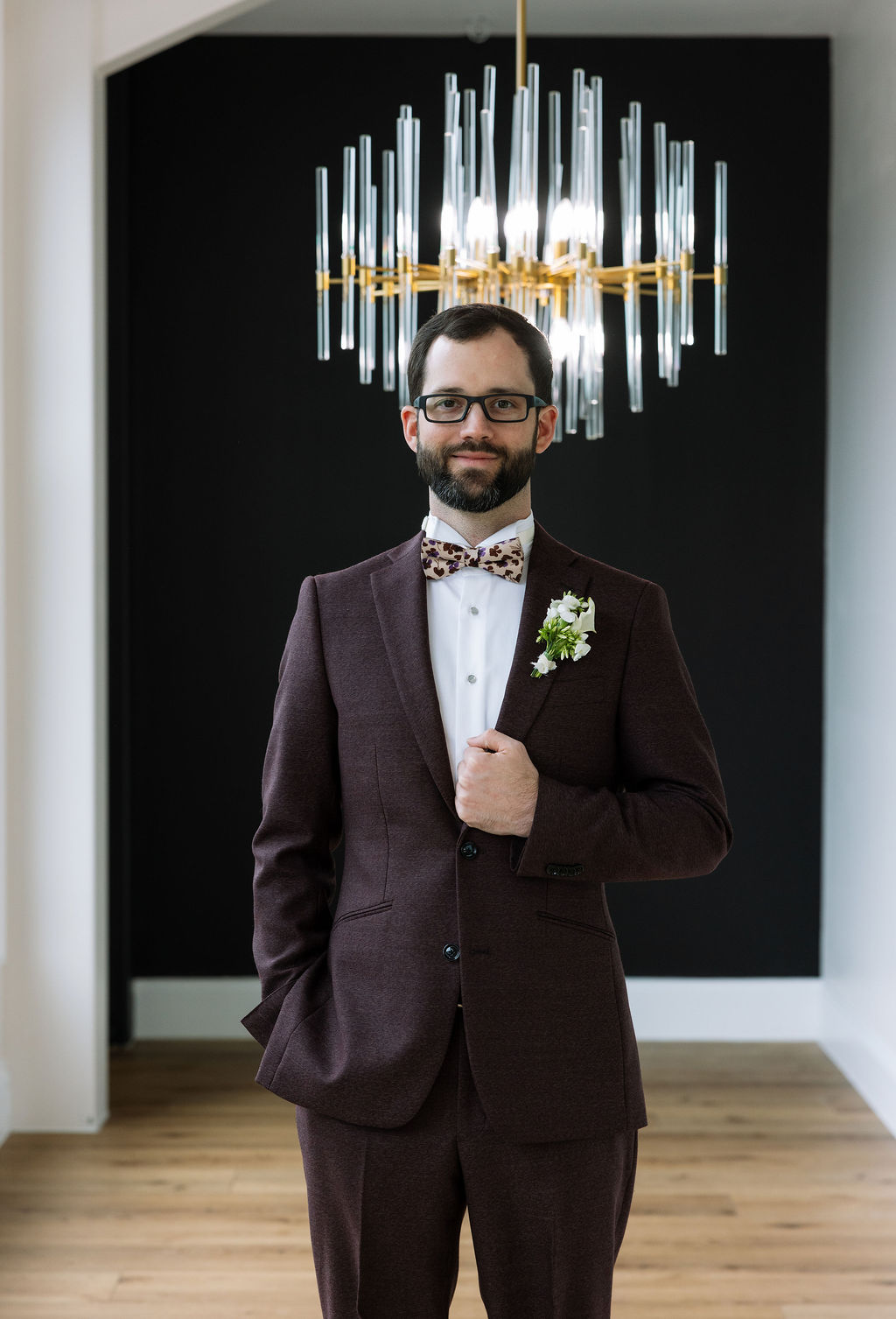
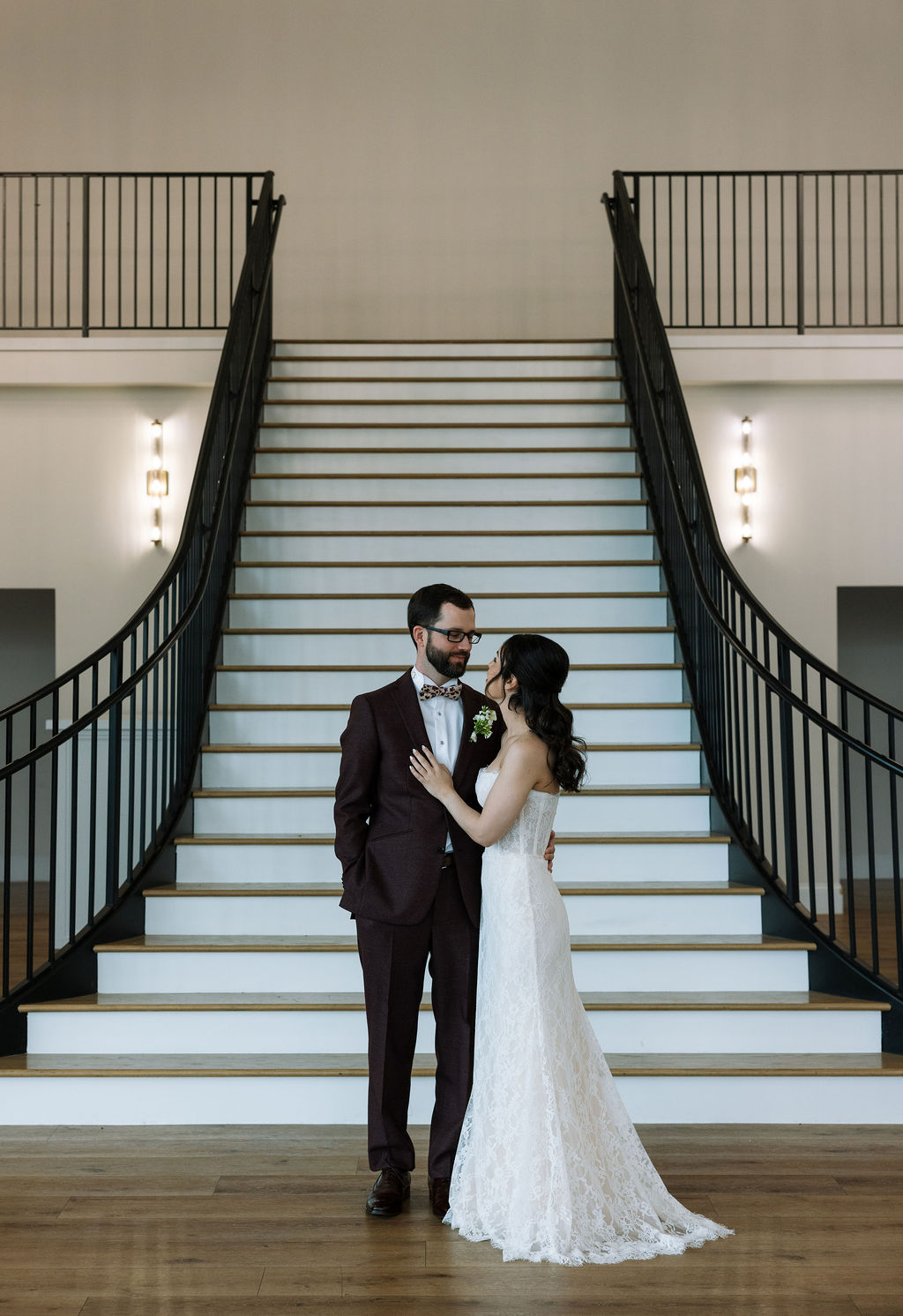
We used the Glass House for first looks and couple portraits. The light was soft and diffused, the rain hitting the glass in the background. The soft, diffused light in the Glass House is one of my favorite conditions for true-to-color wedding photography; it keeps skin tones natural and greens rich, even on a gray day. Later, Nichols Heir opened the Grand Hall so we could move family portraits and additional images inside without stress or crowding. No one was scrambling to invent a backup plan. It already existed.
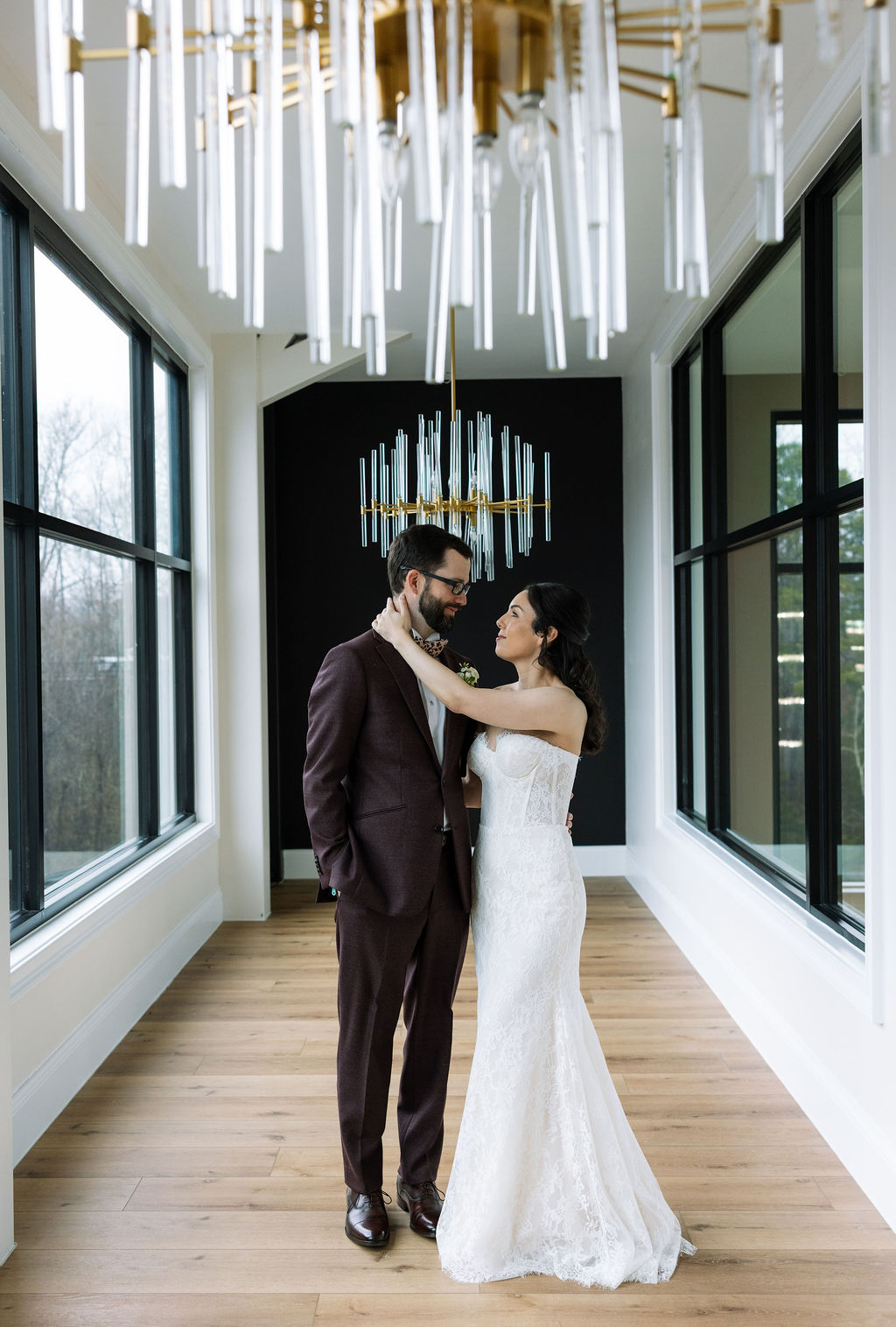
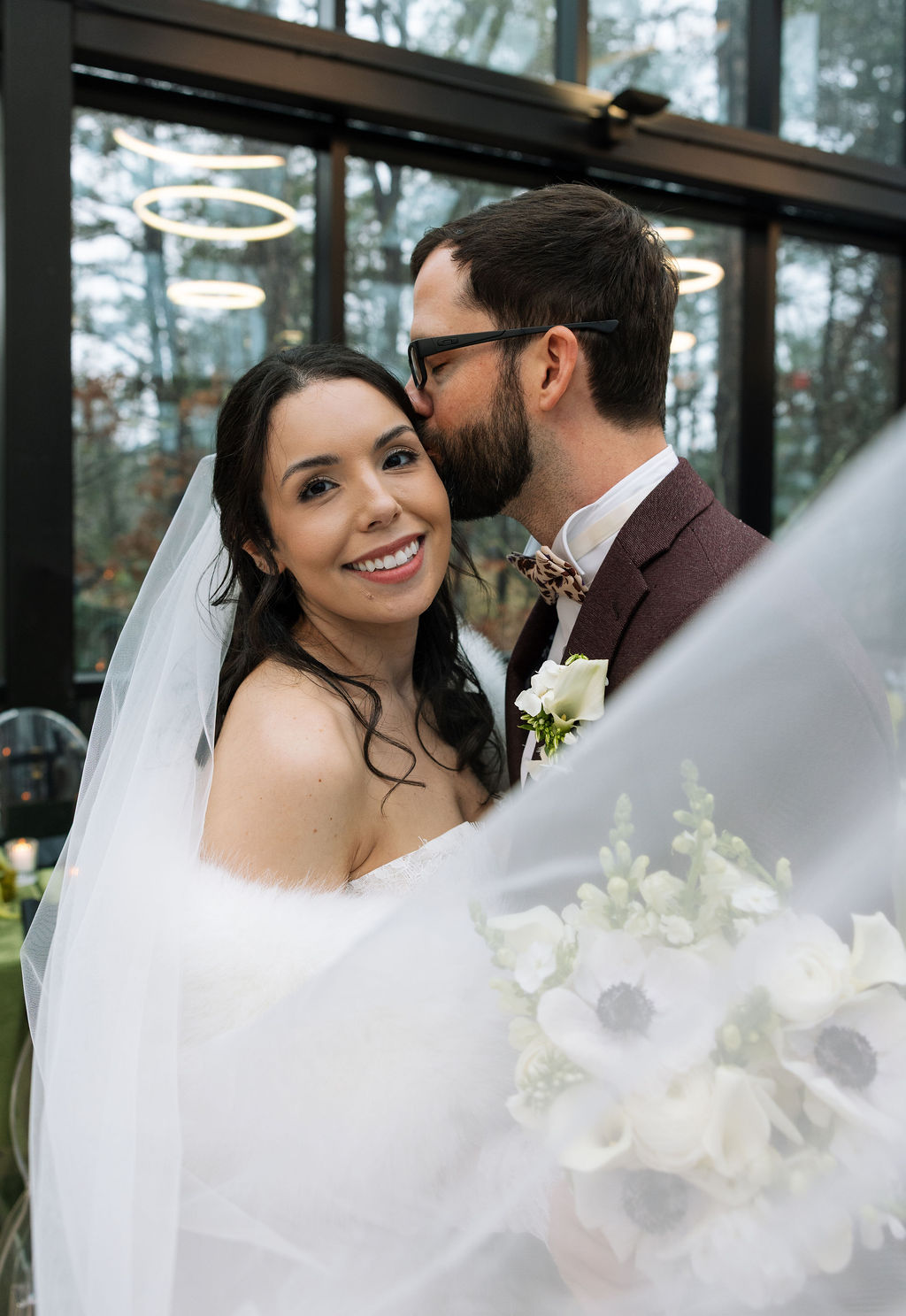
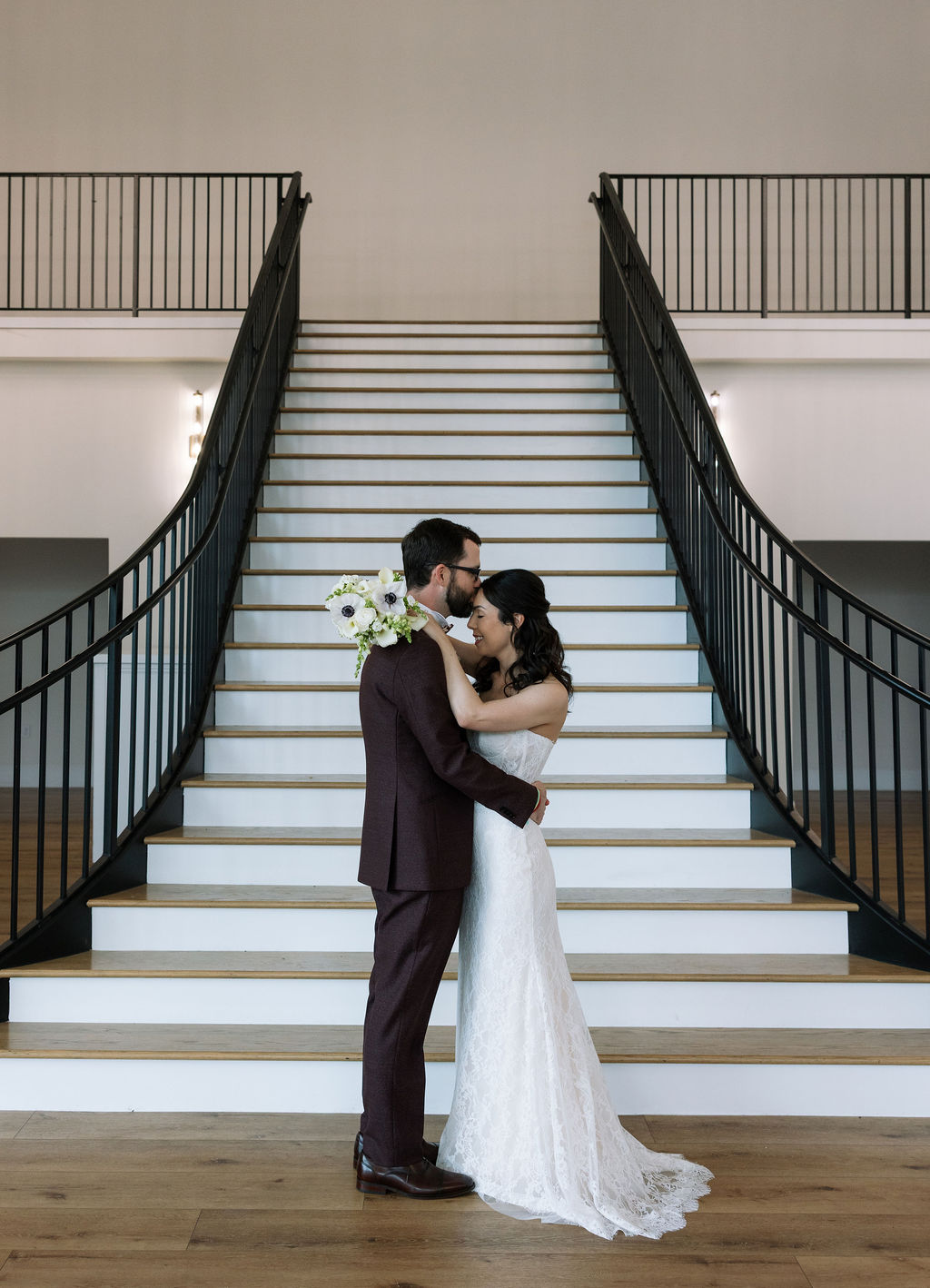
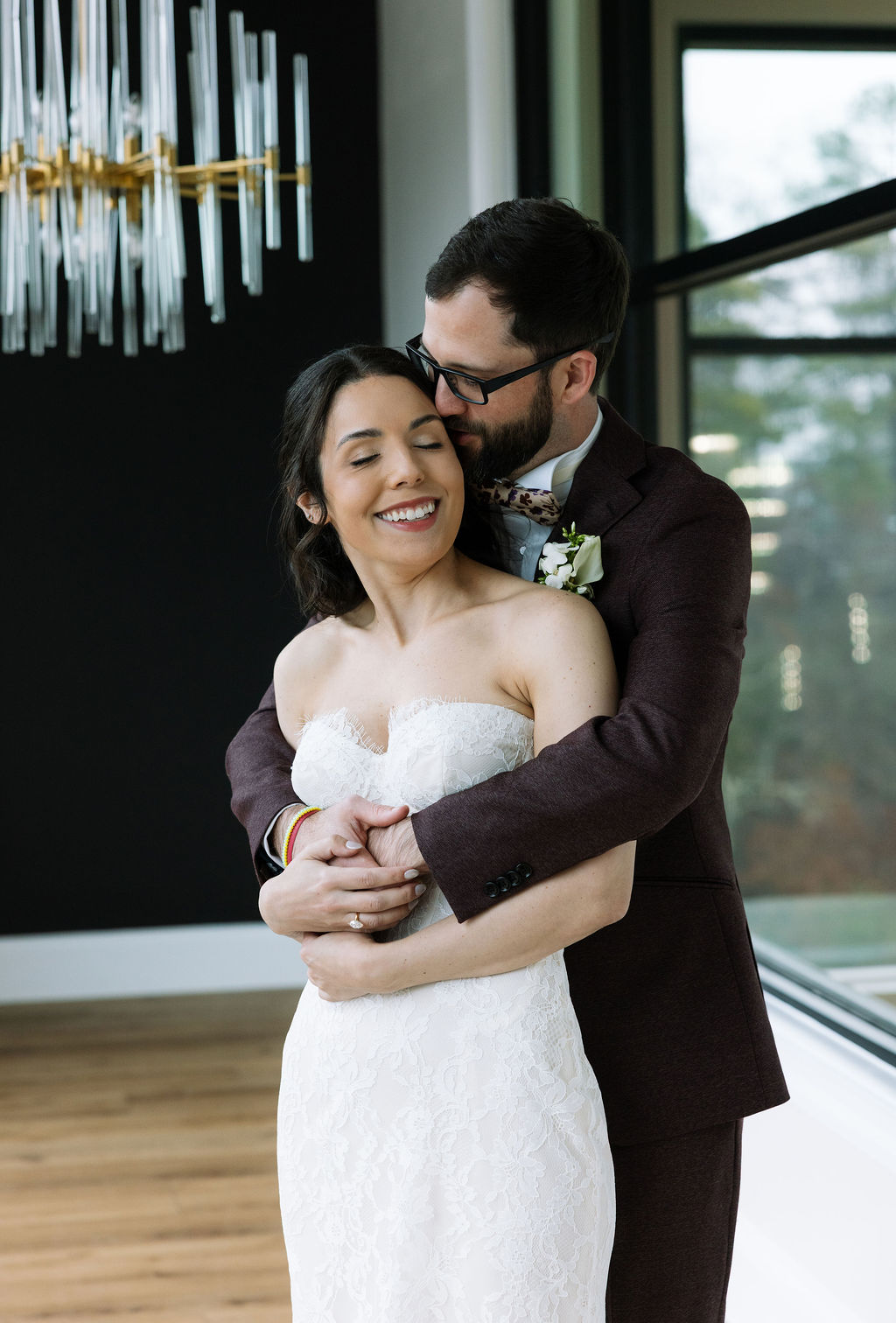

As a Tennessee wedding photographer, this is where I see the true value of a planner. Rain doesn’t dull the magic of a wedding day. But it does test the preparation behind it. When someone has built a rain plan, communicated it clearly, and gathered a vendor team that trusts each other, the weather becomes part of the story, not the problem.
That day didn’t feel chaotic. It felt intentional. And that’s the quiet work planners do when no one is watching.
How We Created Beautiful Portraits Indoors (Without Golden Hour)
When couples picture their wedding photos, they usually imagine a sunset. Warm light. Open skies. That soft glow everyone talks about. This day didn’t have that. It had steady rain. Gray skies. The kind of weather that asks you to adjust.
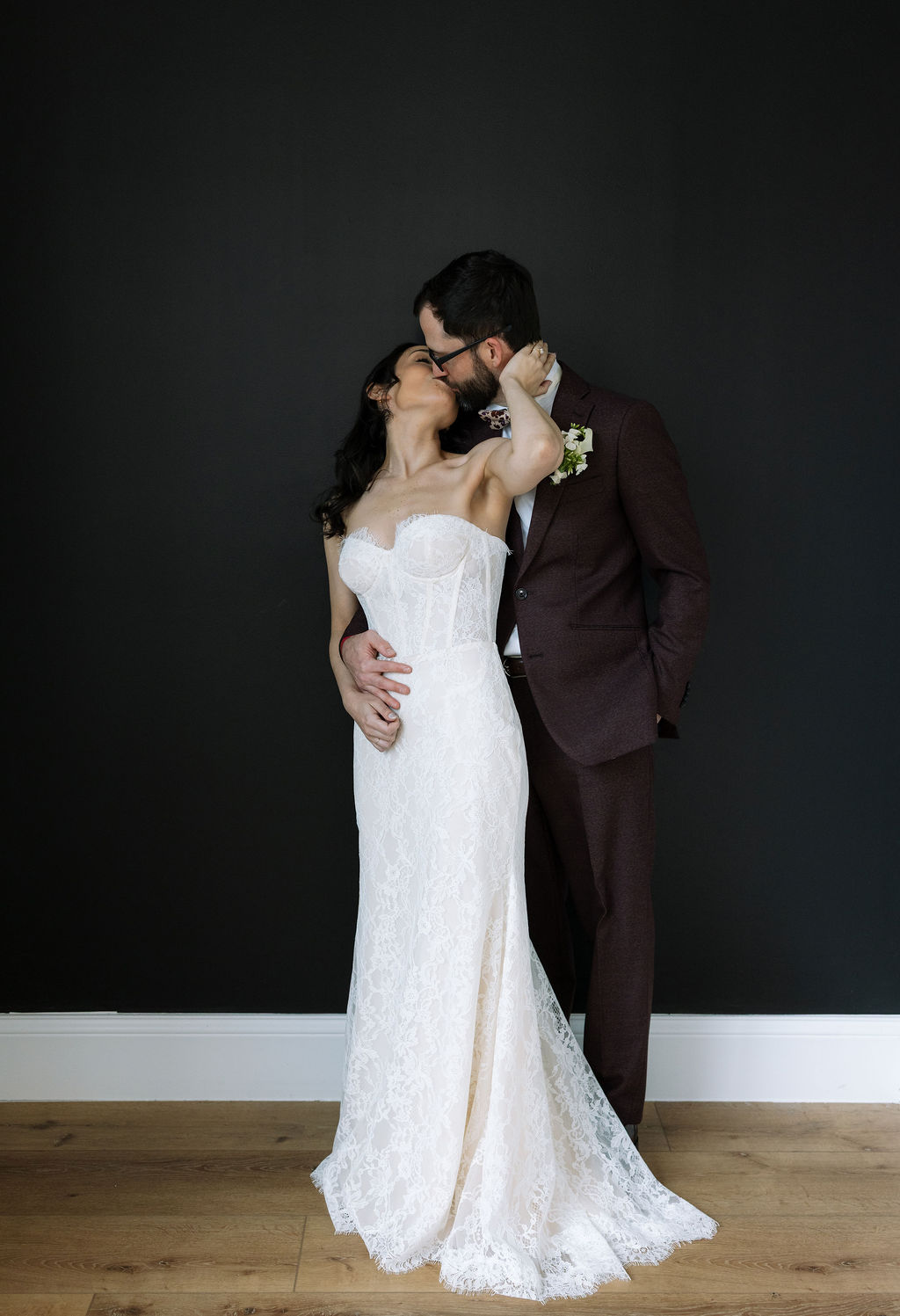
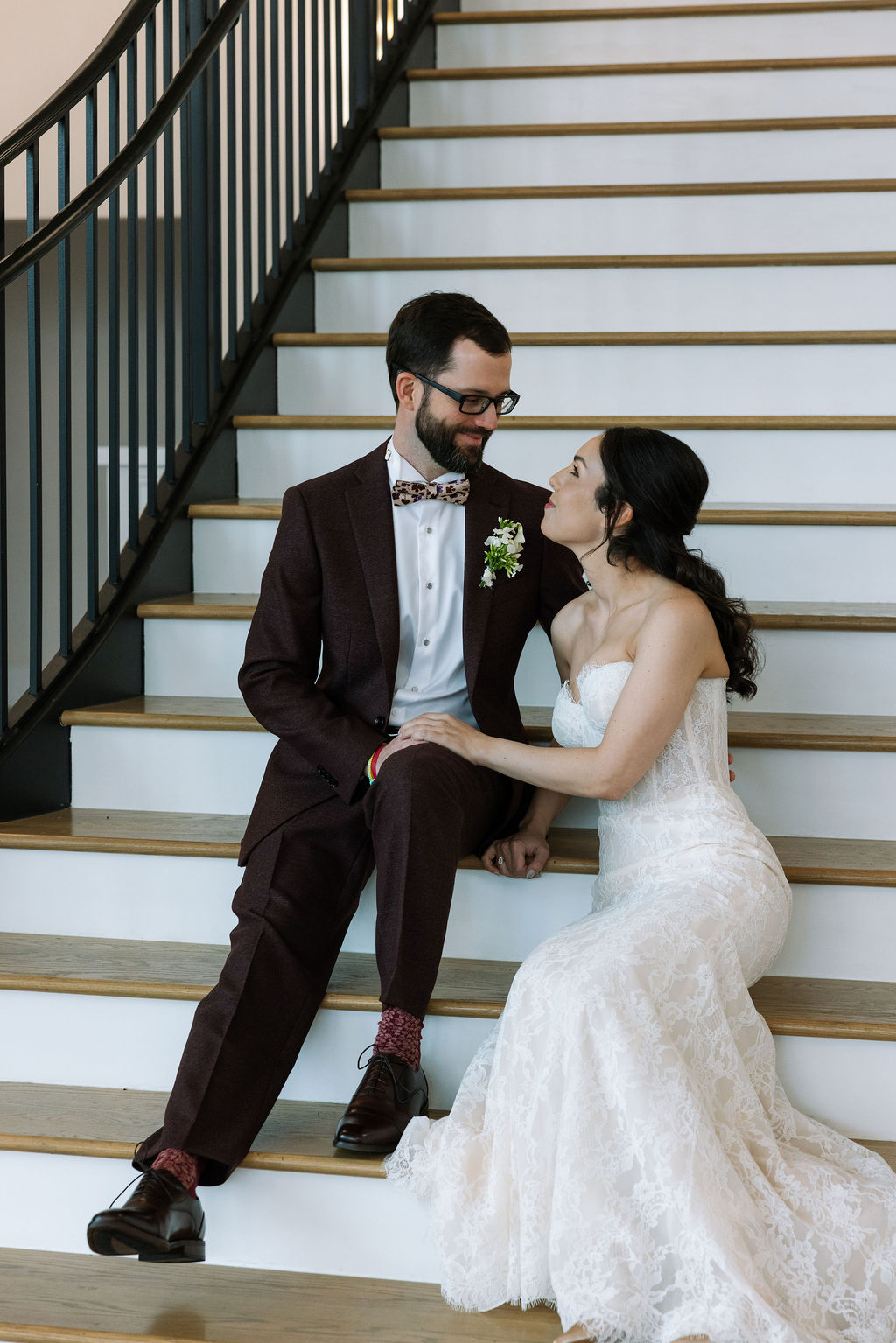

And honestly? It gave us something quieter.
1. We Chose Light Over Location
When the weather shifts, I stop thinking about scenery and start thinking about light. The Glass House at Nichols Heir gave us soft, diffused light all afternoon. The rain hitting the windows turned the world outside into a blur, which meant nothing competed with them. No harsh shadows or squinting. No rush. I placed them near the windows, slightly angled, so the light wrapped gently across their faces. It felt natural. Unforced. Almost like they were just standing there talking.
Good light doesn’t demand attention. It supports what’s already happening. And what was already happening was enough.
2. We Kept Movement Gentle
Indoor portraits can feel stiff when everyone is worried about what they’re missing outside. That wasn’t the energy here. The rain created a kind of pause. There was nowhere else to rush to. No sunset to chase. No pressure to time everything perfectly. Just soft light against the glass and two people who were ready to be married.
Instead of rigid posing, I guided them gently. A slow walk across the floor. Hands find each other naturally. Foreheads resting together for a second longer than planned. The kind of closeness that feels small in the moment but reads deeply in photographs. There’s always a brief second when couples wonder, What do I do with my hands? I remind them they don’t have to perform. They can just be near each other.
The rain tapping against the windows became part of the rhythm. It softened the edges of the day. It permitted us to move more slowly. And slower often feels more honest.
3. We Used the Grand Hall for a Calm, Clean Space
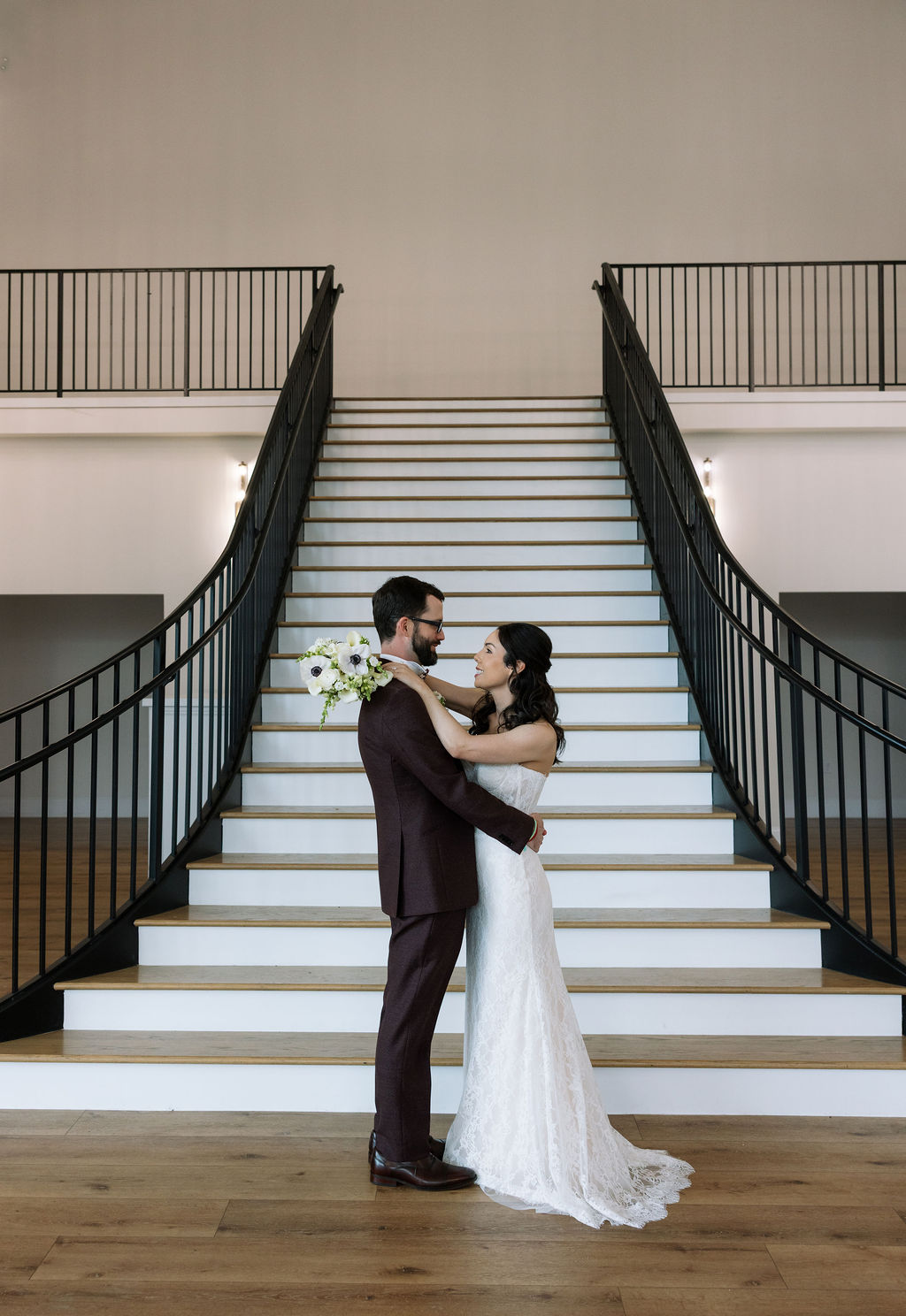

Later, we moved into the Grand Hall for family portraits and a few additional images. Indoor family photos can feel chaotic without structure. This is where the coordinator made a difference again. Family members were already gathered. No one was being searched for. No one was wandering off.
We moved through combinations intentionally, larger groupings first, then immediate family, then smaller moments. Because the timeline had breathing room, we weren’t rushing anyone in or out. The space itself felt clean and timeless. Nothing distracting. Nothing trendy. Just people together.
And that’s what lasts.
4. We Adjusted Expectations: Not Care
There was no golden hour. But there was consistency. There was softness. There was space to pay attention. As a Tennessee wedding photographer, I’ve learned that flexibility doesn’t mean lowering your standards. It means knowing how to see what’s available instead of holding onto what isn’t.
Rain doesn’t dull the energy. It just asks everyone to trust the plan. And when there’s a planner holding the logistics, and vendors who trust each other, that trust becomes visible in the photographs. Not because the weather was perfect. Because the day still felt steady.
Do I Need a Wedding Planner in Tennessee?
Not every couple needs full-service planning. Some genuinely enjoy organizing details. While some are planning a smaller celebration. Some feel comfortable managing moving pieces and making decisions in real time. The better question isn’t “Do we need one?” It’s: Who do we want to be on our wedding day? If you’re the kind of person who notices what’s off, carries responsibility without meaning to, and wants everyone to have a good experience… you’ll naturally try to manage things, even in a wedding dress.
A planner is often less about “help” and more about giving your nervous system permission to let go.
If you know you’ll feel calm answering vendor questions, watching the timeline, and making weather calls, then you may not feel the need for additional support. Some couples can do that and still stay present. But if you’re someone who tends to carry responsibility, who notices when something is slightly off, who steps in to fix things before anyone else does, it’s worth pausing there. That instinct doesn’t disappear just because you’re dressed and ready to walk down the aisle.
When You’re Holding Two Roles at Once

As a Tennessee wedding photographer, I’ve seen couples try to hold both roles at once: host and honoree. They do it well and smile. They move through the schedule. But there’s a subtle layer of awareness underneath it all. A quiet monitoring. A sense that part of them is still managing. And I’ve seen what happens when that responsibility is clearly handed to someone else. The energy shifts. Conversations linger. There’s less scanning of the room and more being inside of it. The day feels supported instead of supervised.
You don’t need to feel overwhelmed to justify hiring a planner. You don’t need a dramatic reason or a complicated event. Sometimes it’s simply about protecting your own presence. Especially in a place like Tennessee, where the weather can shift quickly and timelines need flexibility, having someone prepared to make those calls can make all the difference. Not because something will go wrong.
But because something will need managing. And it doesn’t have to be you.
Frequently Asked Questions About What Wedding Planners Do

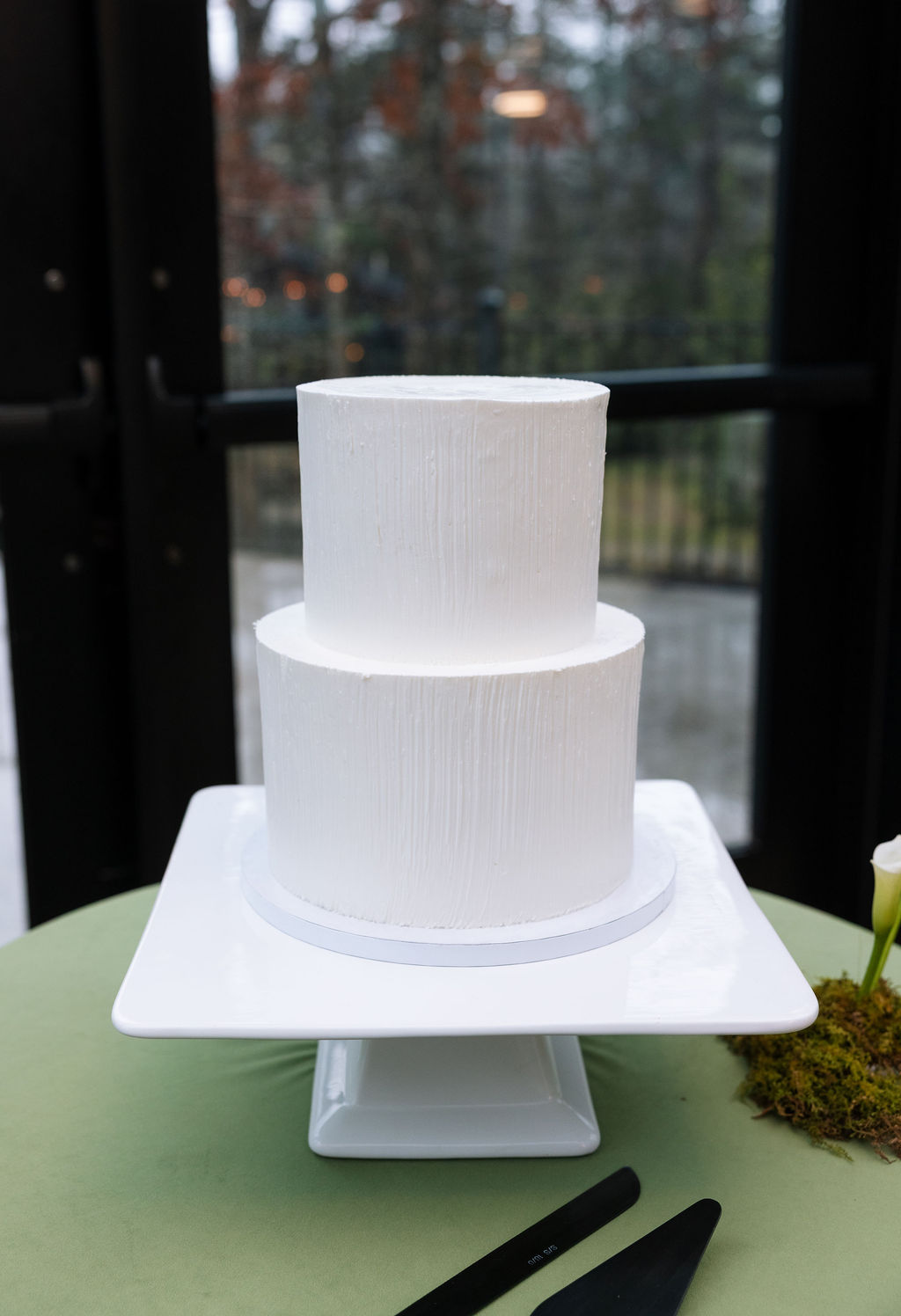


What do wedding planners actually do on the wedding day?
On the wedding day, a planner carries the logistics so you don’t have to. Yes, they manage the timeline. Yes, they communicate with vendors and cue the ceremony. But what that really means is that you’re not the one watching the clock. You’re not answering setup questions. You’re not making last-minute weather calls while trying to stay present.
The best planners are steady. They notice when something small needs adjusting before it becomes stressful. And answer questions before they reach you. They hold the rhythm of the day quietly in the background. These are part of real wedding planner responsibilities, but what matters most is how they carry them.
You may not see everything they’re doing. That’s usually the point.
What’s the difference between a wedding planner and a day-of coordinator?
A full-service planner walks with you from the beginning. They help shape the timeline, guide vendor decisions, and think through the overall flow long before the wedding arrives. A coordinator typically steps in closer to the date, often a month or two out, to finalize details and manage the day itself.
Neither is “better.” It really depends on how much guidance you want during the planning process. Some couples feel confident making decisions, but don’t want to manage execution. Others want someone alongside them from the start.
The important thing is knowing what kind of support would help you breathe easier.
Do I need a wedding planner if my venue includes staff?
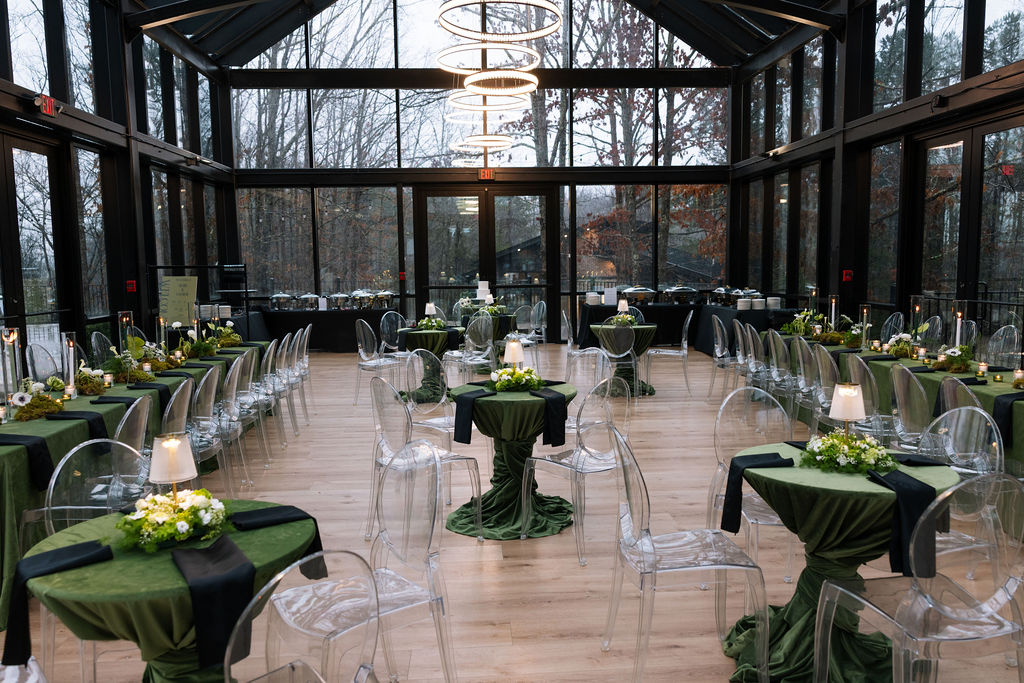
Venue teams are incredibly important. Especially at well-run Tennessee venues, they care deeply about their space and the experience they provide. But venue staff are responsible for the venue.
A wedding planner is responsible for the entire event, how the vendors work together, how the timeline flows, how family portraits are organized, and how transitions feel. It’s less about duplication and more about layers of support. When a venue team and a planner work together well, the couple feels it. The day feels held from every angle.
Will a wedding planner help if it rains?
This is often where their presence matters most. Rain doesn’t ruin a wedding day. But it does require decisions. When to move the ceremony. Where portraits will shift. How guests are guided. What changes, and what stays the same.
A thoughtful planner has already talked through those possibilities with you. So when the forecast turns, it doesn’t feel chaotic. It feels like a pivot. As a Tennessee wedding photographer, I’ve seen how different a rainy day feels when someone calm is making those calls. The couple stays focused on getting married. The logistics are handled elsewhere.
And that changes everything.
How do wedding planners work with a Tennessee wedding photographer?


When a planner and photographer trust each other, the day becomes smoother in ways couples may never notice. The planner gathers the family before portrait time begins. They protect space in the timeline so we’re not rushing through meaningful moments. They communicate when reception events are about to start, so nothing is missed.
That collaboration means I can focus fully on documenting the emotion, the light, the quiet in-between moments, instead of tracking down missing people or watching the clock.
It’s not about control. It’s about shared intention.
When should I book a wedding planner?
If you’re considering full-service planning, earlier is usually better, especially for popular Tennessee dates. But beyond timing, it’s worth paying attention to how you feel during planning. If you’re starting to feel like you’re carrying everything alone, that’s a signal. If you’re confident in your decisions but don’t want to manage them on the day, that’s a signal too.
You don’t need to justify wanting support. Sometimes it’s simply about protecting your presence, so when the day arrives, you can stand there fully inside it.
A Planner’s Calm Checklist (What They’re Quietly Managing)

Behind the scenes, a wedding planner is often:
- Confirming vendor arrival times the week of the wedding
- Double-checking floor plans and ceremony layouts
- Reviewing rain plans with the venue
- Building and distributing a clear wedding day timeline
- Coordinating delivery windows
- Cueing ceremony music and processional timing
- Managing family photo lists
- Keeping reception transitions on track
- Troubleshooting small issues before they’re visible
- Protecting your headspace from unnecessary decisions
Most of this happens quietly. That’s the point.
Book Rachel Ily As Your Tennessee Wedding Photographer

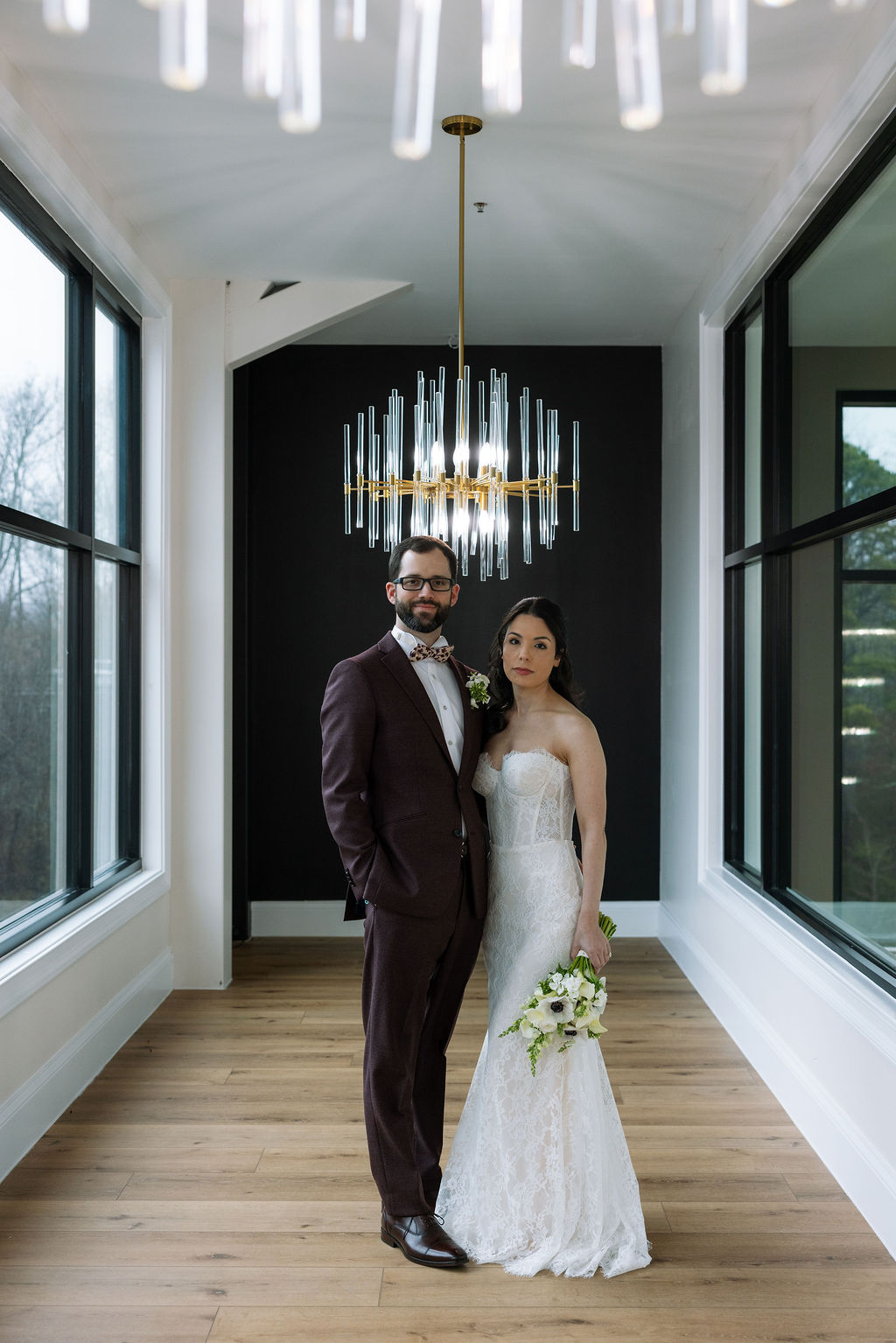
If you’re planning a Tennessee wedding and building a vendor team that values calm communication, thoughtful collaboration, and a steady timeline, I’d love to be part of it. I photograph weddings in a documentary-editorial way; true-to-color, clean, and full of the moments you felt and the ones you didn’t even see happen.
When you’re ready, inquire here.
Planning your dream Tennessee wedding and looking for more inspiration and tips? Keep scrolling!
Why Nichols Heir Is the Perfect Smoky Mountain Wedding Venue for a Fully Planned, Elegant Tennessee Wedding
Wedding Venues in Tennessee for Fall Wedding
The Press Room Knoxville Wedding

